 blog
blog
Stainless Steel vs Ceramic Pet Bowls: 2026 Comparison
Table of Contents
- Stainless Steel vs Ceramic Pet Bowls: Key Differences
- The Best Pet Bowl Material for Acne and Skin Health
- Are Stainless Steel Bowls Dishwasher Safe?
- Frequently Asked Questions
Last Updated: September 27, 2026
Stainless Steel vs Ceramic Pet Bowls: Key Differences
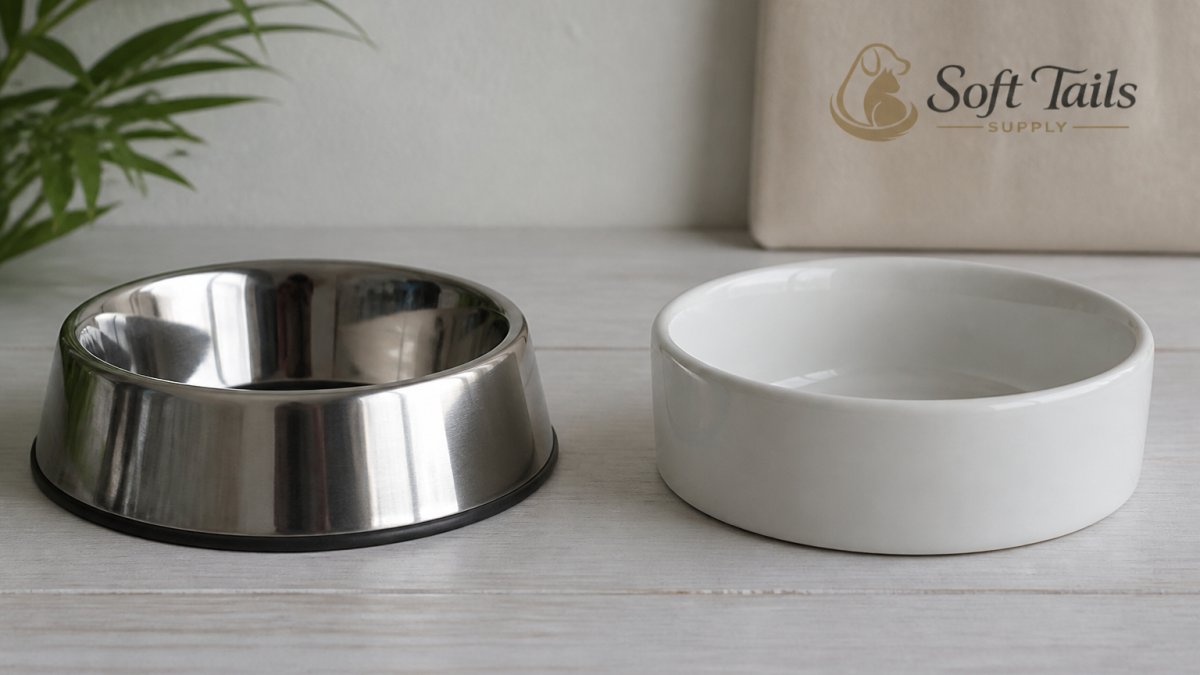
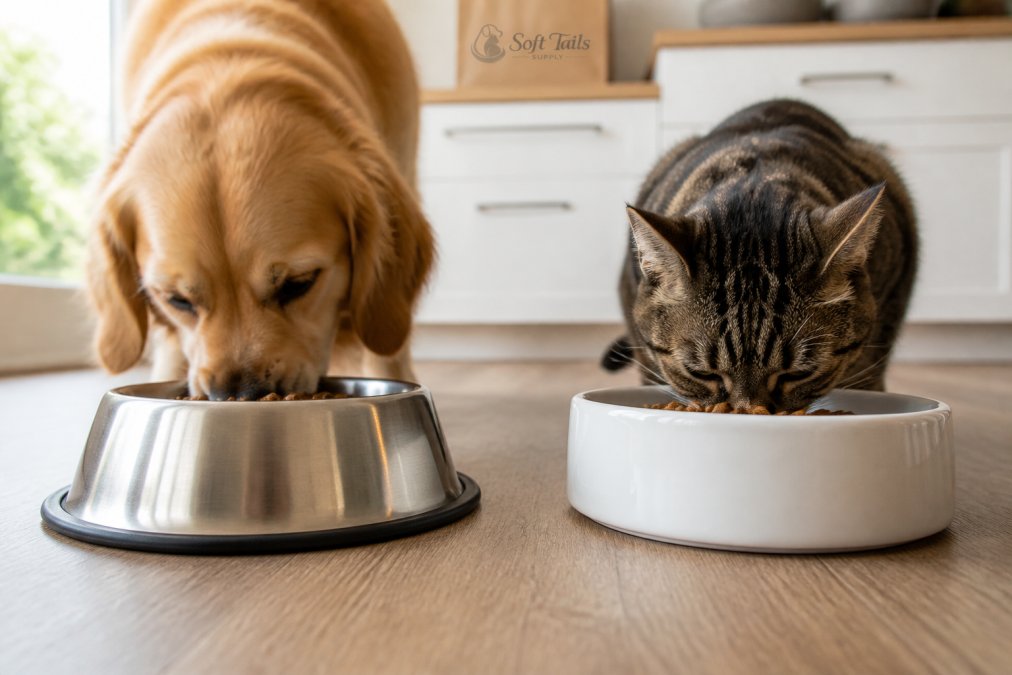
The choice between stainless steel vs ceramic pet bowls comes down to safety, durability, and maintenance. Stainless steel wins on hygiene and chip resistance; ceramic wins on weight and looks.
The real deciding factor is your pet's skin health and cleaning routine, not appearance.
Stainless steel is non-porous and corrosion-resistant, limiting bacterial growth. Ceramic is heavier and stops sliding, but a cracked glaze can harbor bacteria and leach heavy metals.
| Factor | Stainless Steel | Ceramic |
|---|---|---|
| Porosity | Non-porous | Non-porous if glaze intact |
| Chip risk | Dent-resistant | Can chip or crack |
| Weight and stability | Light, may slide | Heavy, skid-proof |
| Dishwasher safe | Usually yes | Often hand-wash only |
| Odor and stain retention | Low | Low if uncracked |
| Best for | Hygiene-focused owners | Aesthetic-focused owners |
The Best Pet Bowl Material for Acne and Skin Health
The best pet bowl material for acne and skin health is food-grade stainless steel. Its non-porous surface resists the bacterial buildup linked to feline acne and canine skin irritation.
Plastic is most often tied to chin breakouts in cats: scratch-prone surfaces hold bacteria and oils. Ceramic sits in the middle, safe when the glaze is intact, risky once it cracks.
If your cat has recurring chin acne, switch to stainless steel and wash it daily. Bowl depth matters too: a deep, narrow bowl presses the chin and whiskers against the rim, worsening irritation.
Are Stainless Steel Bowls Dishwasher Safe?
Most stainless steel pet bowls are dishwasher safe, a big advantage over ceramic. High heat and detergent do not damage food-grade stainless steel, so you can sanitize without hand-washing.
Ceramic is trickier: many glazed bowls are hand-wash only because dishwasher heat and harsh detergent weaken the glaze, making it prone to cracking and bacterial growth.
A few practical rules keep stainless steel in good shape:
- Check for a "dishwasher safe" label
- Skip abrasive scrubbers
- Dry fully to avoid water spots
- Replace any bowl that dents deeply or rusts
Frequently Asked Questions
Is a stainless steel or ceramic bowl better for cats?
Both materials work, but stainless steel has an edge for daily use. It is non-porous, so it resists bacterial growth and does not hold odors. Ceramic is heavier and comes in more designs, but it can chip and crack. Chipped ceramic creates microscopic cavities where bacteria hide, which can lead to feline acne. If you choose ceramic, inspect it often and replace any bowl with cracks or chips.
Do vets recommend stainless steel bowls?
Many veterinarians suggest food-grade stainless steel because it is non-porous, corrosion-resistant, and easy to sanitize. It does not leach heavy metals or hold onto smells the way plastic can. That said, some pets prefer the weight and feel of ceramic. The key is avoiding scratched plastic, which traps bacteria and can trigger skin irritation around the chin and mouth.
Can ceramic bowls harbor bacteria if they are chipped?
Yes. Once the glaze cracks or chips, the exposed clay underneath is porous. Moisture and food particles settle into those microscopic cavities, and normal washing may not reach them. That buildup can cause odor retention and bacterial growth, which raises the risk of feline acne and other skin issues. Replace chipped ceramic bowls rather than trying to scrub them clean.
Choosing the right bowl is a small decision with real consequences for your pet's skin, hygiene, and comfort. SofttailSupply carries durable, food-grade pet essentials designed to hold up to daily use, backed by fast 24-48 hour shipping and responsive support. Browse our curated bowls and feeding gear to find a safe, easy-to-clean option for your dog or cat. Get started with SofttailSupply and give your pet a cleaner, more comfortable mealtime.