 blog
blog
Eco-Friendly Alternatives to Disposable Pee Pads
Table of Contents
- Washable Dog Pee Pads: Reusable Options That Cut Waste
- How to Clean Reusable Pee Pads Without Odor Buildup
- Grass Potty Patches for Dogs: Indoor and Outdoor Alternatives
- What Are the Environmental and Cost Benefits?
- Frequently Asked Questions
Last Updated: September 15, 2026
Washable Dog Pee Pads: Reusable Options That Cut Waste
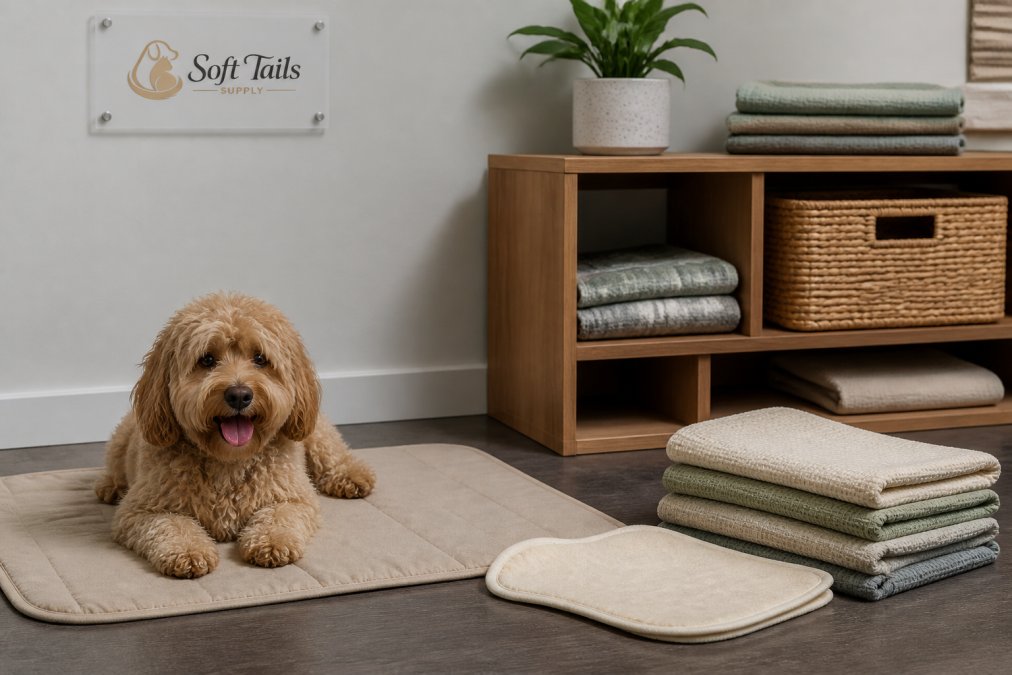
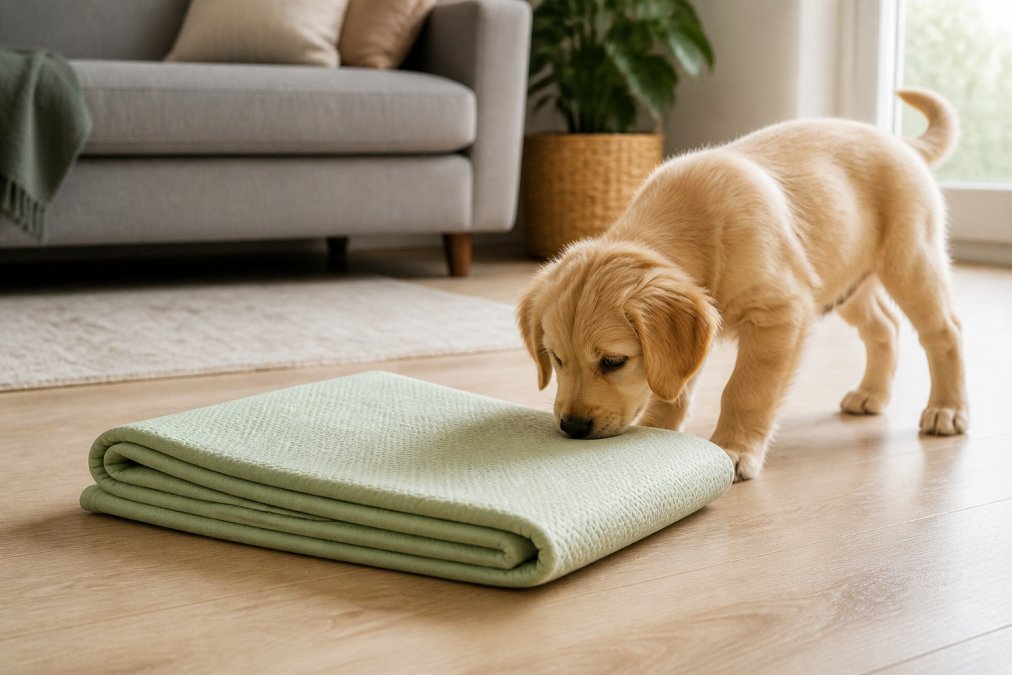
Eco-friendly alternatives to disposable pee pads start with washable dog pee pads, which replace single-use synthetics with reusable fabric that lasts for years. Owners say washable pads swap a weekly purchase for a load of laundry.
Most reusable pads pair a moisture-wicking top layer with an absorbent core and a leak-proof backing. Bamboo fiber and hemp lead the field for absorbency and odor control, while fleece liners keep the surface dry against paws. For a broader look at how reusable pet products cut household waste, the EPA's guidance on reducing waste at home is a solid starting point.
| Option | Material | Best For | Maintenance |
|---|---|---|---|
| Washable fabric pad | Bamboo, hemp, fleece | Indoor potty training | Machine wash |
| Grass potty patch | Real or synthetic turf | Balcony or patio use | Rinse and drain |
| Disposable pad | Synthetic polymers | Travel and quick cleanups | Single use |
How to Clean Reusable Pee Pads Without Odor Buildup
Cleaning reusable pee pads comes down to three habits: rinse promptly, wash hot, and skip fabric softener, which coats the absorbent core and kills moisture-wicking performance.
A routine that holds up:
- Shake off solids and rinse in cool water right away.
- Wash hot with a pet-safe, non-toxic detergent.
- Add a half cup of white vinegar to the rinse for odor control.
- Air dry or tumble low; high heat breaks down the leak-proof backing.
- Keep two or three pads per pet in rotation.
Grass Potty Patches for Dogs: Indoor and Outdoor Alternatives
Grass potty patches for dogs give puppies a natural training surface, which speeds up housebreaking. Real turf offers the strongest scent cue; synthetic options need less upkeep and suit a covered balcony or patio.
Multi-pet households should use a larger patch or two smaller ones. Owners with allergies should check materials, since some synthetic turfs trap pollen and dust.
What Are the Environmental and Cost Benefits?
Reusable options cut landfill waste and household spending. Disposable pads rely on synthetic polymers that sit in landfills, while washable pads and compostable plant-based materials reduce that load. To check the trade-off, tally pads used per week, multiply by 52, and compare against a one-time purchase plus laundry costs, most owners find the reusable route pays for itself within a few months.
For end-of-life disposal, check whether a pad's materials are compostable before adding them to a home compost bin, and follow local rules. The FTC's guidance on environmental marketing claims is worth reading so "compostable" and "biodegradable" labels are understood correctly.
Frequently Asked Questions
What can you use instead of disposable pee pads?
Washable fabric pads made from bamboo or hemp fiber are the most common swap. You can also use grass potty patches, which give dogs a natural surface to eliminate on. These eco-friendly pee pads are reusable, non-toxic, and cut landfill waste. For puppies still learning, a washable pad with a leak-proof backing works like a disposable one but lasts for years with proper cleaning.
Are washable pee pads a good idea for busy pet owners?
Yes, if you can commit to a simple cleaning routine. Washable dog pee pads handle daily accidents without constant repurchasing. Most are machine washable and dry quickly. The trade-off is laundry time versus the convenience of tossing a pad in the trash. For multi-pet homes, having three or four pads in rotation keeps a clean one ready while others wash.
How do you clean reusable dog pee pads without lingering odor?
Rinse solids off immediately, then machine wash on a gentle cycle with an enzyme-based detergent. Avoid fabric softener because it coats fibers and traps odor. For bamboo or hemp pads, a half-cup of white vinegar in the rinse cycle neutralizes ammonia. Air dry or tumble on low. If odor persists, check the absorbent core; some pads need a pre-soak in cold water before washing.
Switching away from disposables takes a little planning, but the payoff is a cleaner home, less landfill waste, and lower long-term costs. SofttailSupply stocks washable pads, grass potty patches, and non-toxic cleaning essentials, backed by 24-48 hour shipping, secure payment, and responsive support. Continue shopping with SofttailSupply to build a potty setup that works for your pet and the planet.