 how-to
Should You Walk a 14-Year-Old Dog?
Last Updated: October 25, 2026
Quick Summary
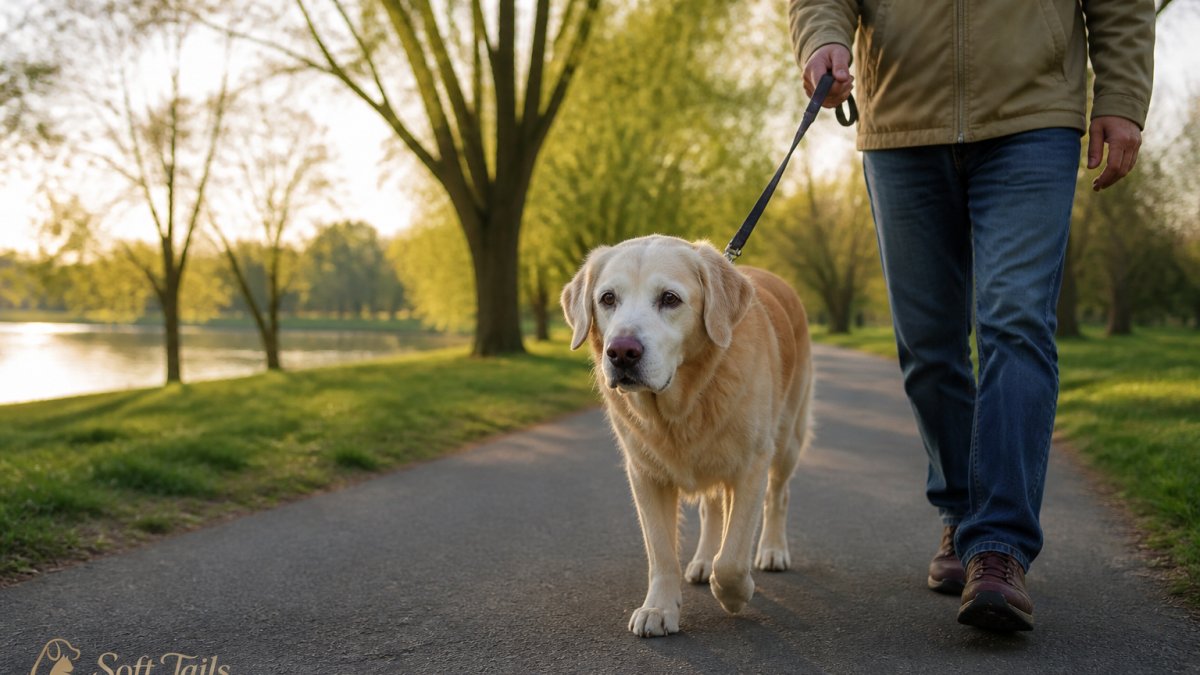
Yes, you should walk a 14-year-old dog every day, but keep walks shorter and slower to match your dog. Gentle daily movement keeps joints limber and muscles working, so favor two short walks over one long one. To walk a 14-year-old dog safely, start slow, choose soft grass or smooth pavement, avoid stairs and steep hills, and bring water on warm days.
- Most senior dogs do well with 15 to 30 minutes daily, split into two or three short outings.
- Many vets suggest starting with 10-minute walks and adding minutes as tolerated.
- Stop at the first fatigue signals, such as heavy panting, lagging, stiff legs or limping.
- On bad days, skip the walk and offer short sniff walks in the yard or gentle indoor play.
- SofttailSupply ships senior-friendly essentials in 24-48 hours and stands behind every order.
Table of Contents
- Should You Walk a 14-Year-Old Dog Every Day?
- How Long Should You Walk a Senior Dog?
- Signs a Dog Is Tired on a Walk
- Frequently Asked Questions
Should You Walk a 14-Year-Old Dog Every Day?
Yes, walk a 14-year-old dog every day, but shorter and slower. Gentle daily movement keeps joints limber and muscles working, and the walk should match your dog, not a schedule, a 14-year-old Labrador and a 14-year-old Chihuahua differ greatly. To walk a 14-year-old dog safely, start slow, favor two short walks over one long one, choose soft grass or smooth pavement, avoid stairs and steep hills, and bring water on warm days. For arthritis, our guide on helping a senior dog with arthritis walk covers gentle techniques, and a senior dog mobility harness can steady a wobbly dog on uneven ground.
How Long Should You Walk a Senior Dog?
Most senior dogs do well with 15 to 30 minutes daily, split into two or three short outings. Watch your dog, not the clock, many vets suggest starting with 10-minute walks and adding minutes as tolerated. Our adjustable dog harness for outdoor training spreads pressure across the chest, suiting older dogs with sensitive joints.

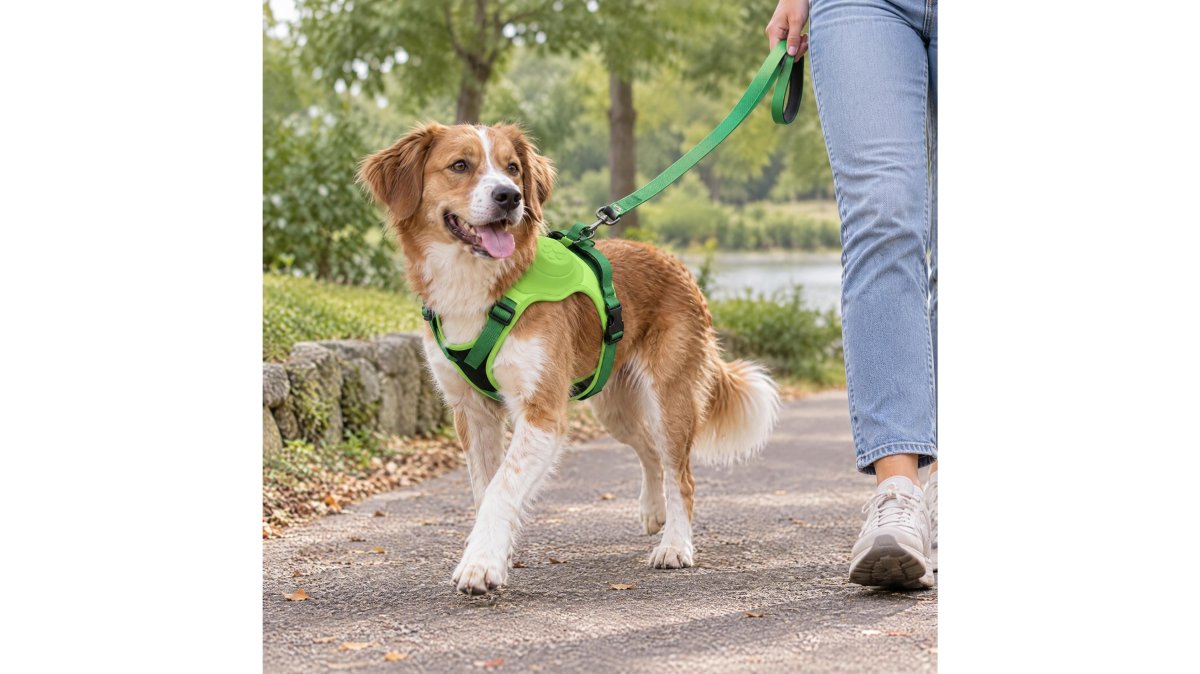
A portable water dispenser lets you offer a drink mid-walk without carrying a bowl.
Self-Adhesive Anti-Slip Paw Pads for Dogs →

| Walk Length | Best For | Frequency |
|---|---|---|
| 10-15 minutes | Dogs with arthritis or stiffness | 2-3 times daily |
| 20-30 minutes | Mobile seniors in good shape | 1-2 times daily |
| Split walks | Dogs that tire quickly | 2 short walks |
Signs a Dog Is Tired on a Walk
Stop at the first fatigue signals: heavy panting, lagging, stiff legs, lying down mid-walk, dragging paws, limping, or a glazed look. A retractable dog leash with lights helps you spot these signs and stay visible when walking in low light. Head home and rest your dog; call your vet if fatigue is sudden or comes with limping. On bad days, skip the walk and offer short sniff walks in the yard or gentle indoor play instead. SofttailSupply stocks senior-friendly essentials, ships in 24-48 hours, and stands behind every order.
Frequently Asked Questions
Should you walk a 14-year-old dog every day?
Yes, most 14-year-old dogs still benefit from daily movement, but the walk should be short and gentle. Two or three 10- to 15-minute walks on soft, level ground usually work better than one long outing. Watch your dog for stiffness, lagging, or heavy panting, and let them set the pace. If your dog has arthritis or another diagnosed condition, confirm the routine with your veterinarian before starting.
What are signs a dog is tired on a walk?
Stop and head home if your dog lags behind, sits or lies down mid-walk, pants heavily in cool weather, stumbles, or refuses to keep moving. Other signs a dog is tired on a walk include a lowered head, slow recovery after resting, and reluctance to rise the next day. These signals mean the distance or pace was too much, so shorten the next outing and mention the change to your vet.
What can you do instead of walking an old dog?
Alternatives to walking an old dog include gentle indoor sniffing games, scatter-feeding part of the daily kibble, short sessions with a food puzzle, and slow supervised time in a fenced yard. Swimming or vet-approved physical therapy can help dogs with joint issues. For grip on slick floors, SofttailSupply's Self-Adhesive Anti-Slip Paw Pads ($22.99) add traction on hardwood, tile, and laminate, which helps senior dogs move with more confidence indoors.
Walking an old dog takes patience and daily attention. SofttailSupply makes it easier with gear built for senior pets, including our adjustable harness and portable water dispenser. Get started with SofttailSupply and give your senior dog comfortable, confident walks again.