 how-to
How to Use Deshedding Tools Safely: A Step-by-Step Guide
Table of Contents
- Step 1: Prep the Coat Before You Touch a Deshedding Tool
- Step 2: How to Brush a Dog Without Hurting Them
- Step 3: Deshedding a Dog Wet or Dry, and How Often to Use a Deshedding Tool on a Dog
- What Matters Most
- Frequently Asked Questions
Last Updated: October 19, 2026
Step 1: Prep the Coat Before You Touch a Deshedding Tool
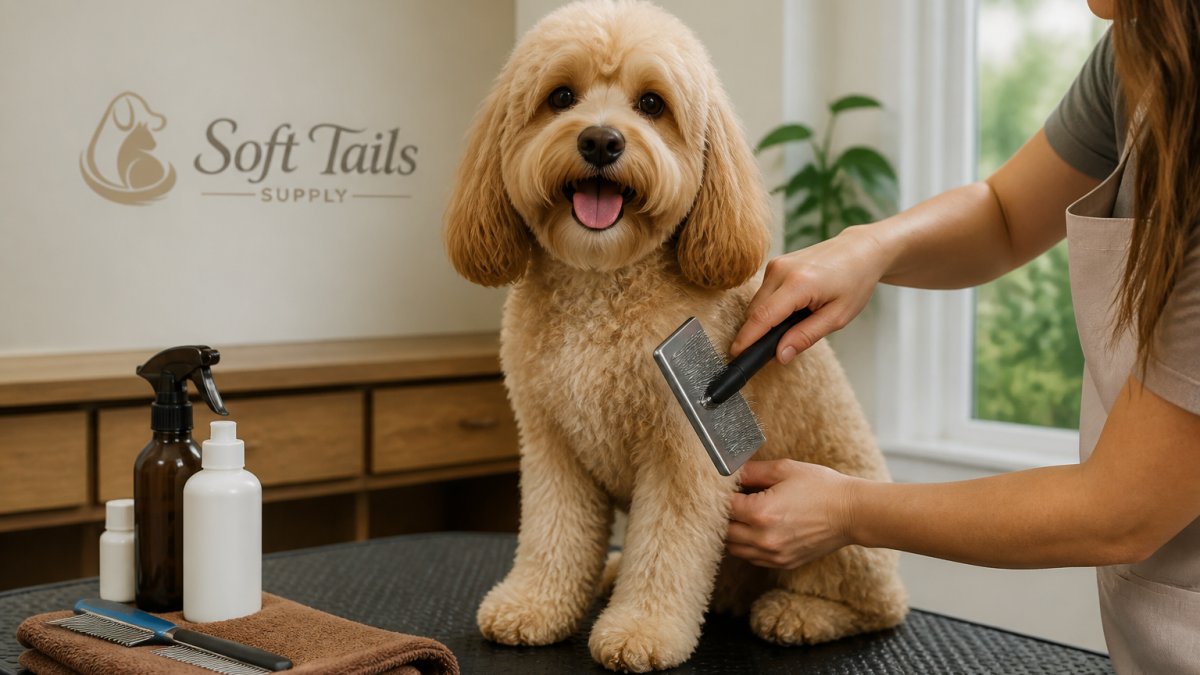
Most grooming injuries come from skipping prep. Before you pick up any deshedding tools, feel the whole coat for mats and tangles, and confirm the fur is clean and completely dry so the brush glides through loose undercoat hair instead of snagging.
Work out tangles first with a Pet Grooming Comb ($18.99).

Step 2: How to Brush a Dog Without Hurting Them
Brushing a dog without hurting them comes down to short strokes, gentle pressure, and following the direction of hair growth. Hold the tool lightly and stop the moment your dog tenses.
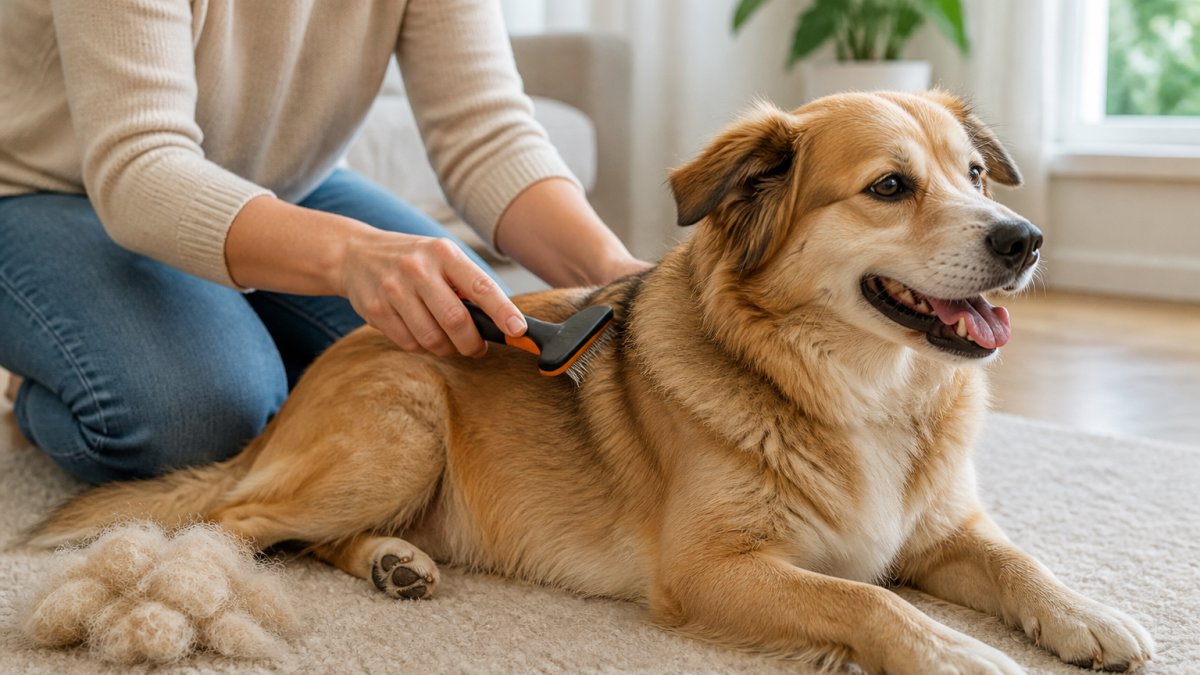
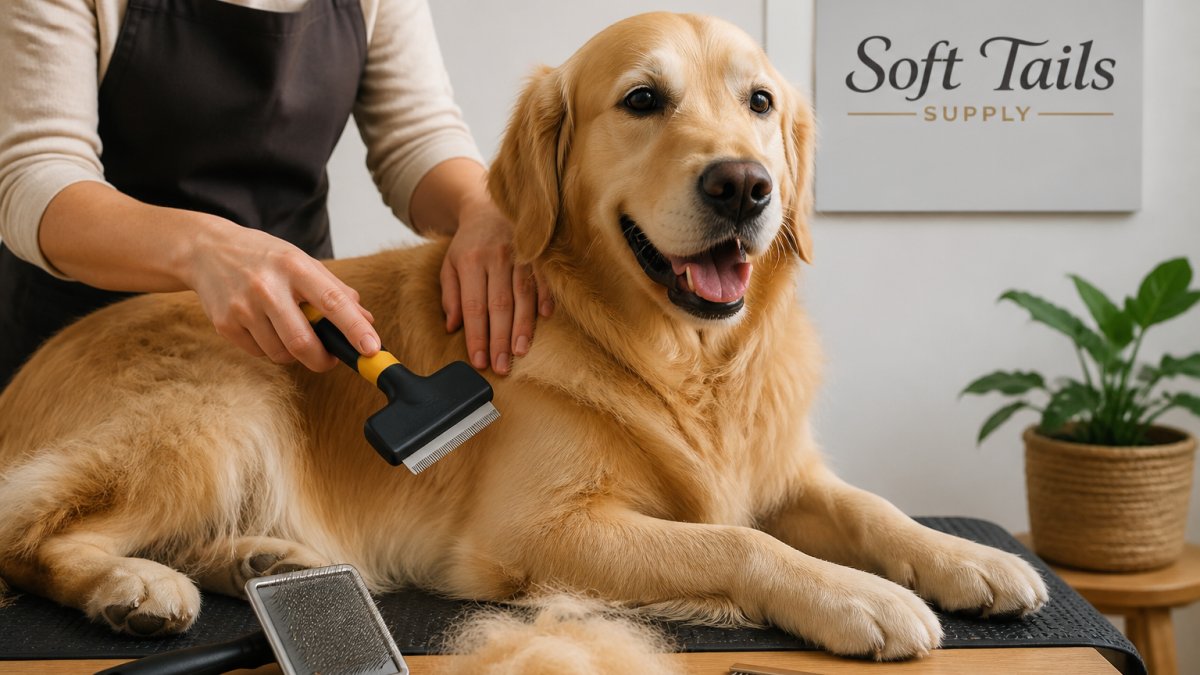
Our Deshedding Grooming Brush for Dogs & Cats ($34.99) removes loose undercoat hair and tangles without tugging, with an ergonomic handle for a steady grip.

Work back and sides first with short strokes following hair growth, leave the belly, armpits, groin, and face alone, and clear the fur every few strokes.
For pets that squirm, the Pet Hair Spray Brush ($29.99) has soft, flexible bristles for sensitive skin.

Warning signs to stop the session
End the session immediately if you see whining, lip licking, repeated yawning, red or scratched skin, your pet trying to leave or snapping at the tool, or a patch of coat thinner than the rest.
Step 3: Deshedding a Dog Wet or Dry, and How Often to Use a Deshedding Tool on a Dog
Deshedding a dog works best on a completely dry coat, with one 10-to-15 minute session per week, two or three shorter sessions during heavy seasonal shedding. Never deshed a wet coat: wet fur clumps and the tool drags.
So how often to use a deshedding tool on a dog? Match it to the coat and season:
Deshedding Grooming Brush for Dogs & Cats →
| Coat Type | Session Length | Frequency |
|---|---|---|
| Short, smooth coat | 5-10 minutes | Once a week |
| Double coat | 10-15 minutes | Once or twice a week |
| Thick or long coat | 10-15 minutes | Two or three times a week |
| Cat with a double coat | 5-10 minutes | Once or twice a week |
Short-coated dogs need light pressure and fewer passes; double-coated breeds shed in bursts, so brush in sections and clear the tool often; long-coated pets need tangles combed out first; cats have thinner skin, so use a light touch and short sessions.
When to call a vet or professional groomer
Talk to your veterinarian about bald patches, constant scratching, or inflamed skin, those point to a skin condition, not normal shedding. A professional groomer is the better call for heavy mats, anxious pets, or coats you can't safely work through.
What Matters Most
The safest deshedding routine is boring: prep the coat, use short gentle strokes in the direction of hair growth, keep sessions short, and stop the moment your pet tells you to.
SofttailSupply stocks the grooming tools that make this easy, including our deshedding brush, grooming comb, and spray brush, all backed by fast 24-48 hour shipping and responsive support.
Frequently Asked Questions
Should you deshed a dog wet or dry?
Dry, in most cases. Deshedding tools work by catching loose undercoat hair, and wet fur clumps together so the teeth skip over it instead of lifting it. A dry coat also lets you see how much hair is coming out, which helps you stop before you overdo it. The exception is a light mist: the Pet Hair Spray Brush ($29.99) adds a fine spritz to soften static and flyaway fur without soaking the coat. Never deshed a fully wet or freshly bathed dog.
How often should you use a deshedding tool on a dog?
Once or twice a week for most double-coated dogs, and 10 to 15 minutes per session. During spring and fall shedding season, you can go up to three short sessions a week. Short-coated or single-coated dogs usually need less, maybe every other week. Watch the coat rather than the calendar: if you are pulling out almost nothing, you are brushing too often. If hair keeps coming in clumps, add a session.
Can a deshedding tool hurt a dog's skin?
It can if you press too hard, drag over a mat, or work the same spot for too long. The stainless steel edge is designed to catch undercoat, not scrape skin, so use light pressure and short strokes in the direction of hair growth. Stop immediately if you see redness, flinching, or a dog trying to pull away. Never deshed over mats, scabs, hot spots, or irritated skin, and check with a vet or groomer first if your dog has a skin condition.
Shedding season doesn't have to mean fur on every surface. SofttailSupply carries the deshedding brush, grooming comb, and spray brush that make safe coat care simple, with fast 24-48 hour shipping and a support team that answers real questions. Get started with SofttailSupply and build a grooming routine your pet actually tolerates.