 listicle
Best Petmate Alternatives for Cats in 2026
Table of Contents
- Why Cat Owners Look Beyond Petmate
- Soft-Sided vs Hard-Sided Cat Carriers: Which Petmate Alternative Wins
- Best Airline-Approved Cat Carriers as Petmate Alternatives
- Cat Carrier Size Guide: Finding the Right Fit
Last Updated: August 9, 2026
Why Cat Owners Look Beyond Petmate
Petmate carriers are ubiquitous and affordable, but they don't work for every cat. Anxious cats panic in hard-sided carriers, frequent travelers need airline compliance, and multi-cat households require different solutions. The real issue isn't that Petmate makes bad carriers, it's that one-size-fits-most doesn't work for individual cats and unique travel situations.
This guide covers specific scenarios where better alternatives exist, what features actually matter, and how to match a carrier to your cat's temperament and lifestyle.
Soft-Sided vs Hard-Sided Cat Carriers: Which Petmate Alternative Wins
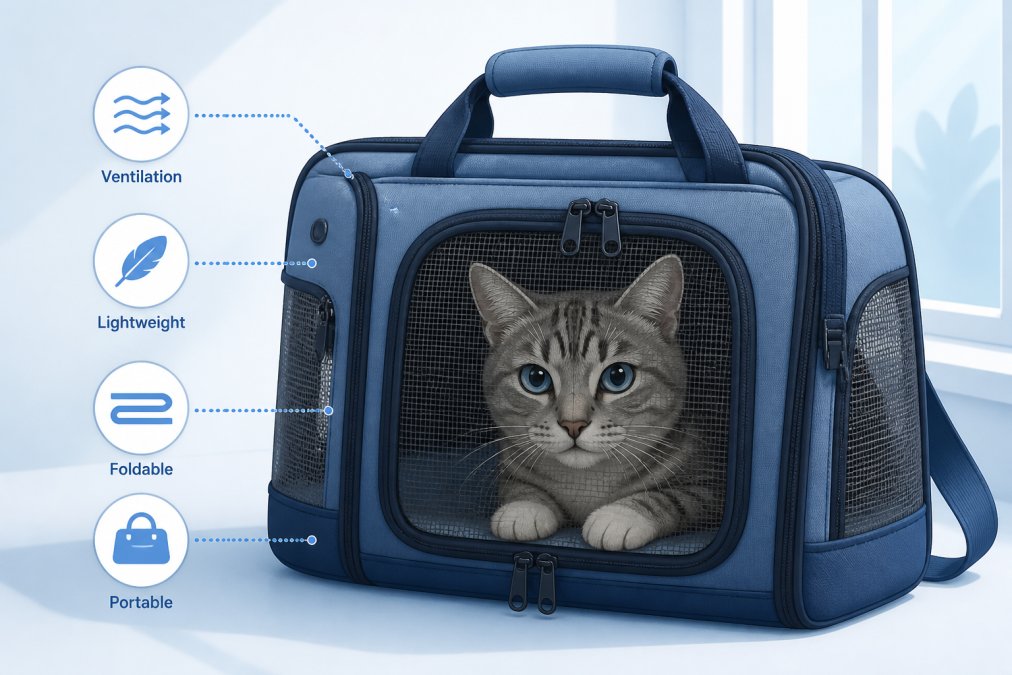
Hard-sided carriers offer durability and easy cleaning but often increase travel anxiety. Cats feel confined, visibility is limited, and they're heavier to carry. Soft-sided carriers address these problems: mesh panels let cats see out, 360-degree ventilation reduces panic, and lighter weight reduces strain on your arms. The trade-off is durability, soft-sided carriers may need replacement sooner.
For anxious cats, soft-sided carriers reduce stress measurably. A cat that can see the world stays calmer than one staring at opaque walls. For frequent travelers or multi-cat households, the weight difference matters. Hard-sided alternatives make sense if your cat is already calm and you prioritize durability.
Best Airline-Approved Cat Carriers as Petmate Alternatives
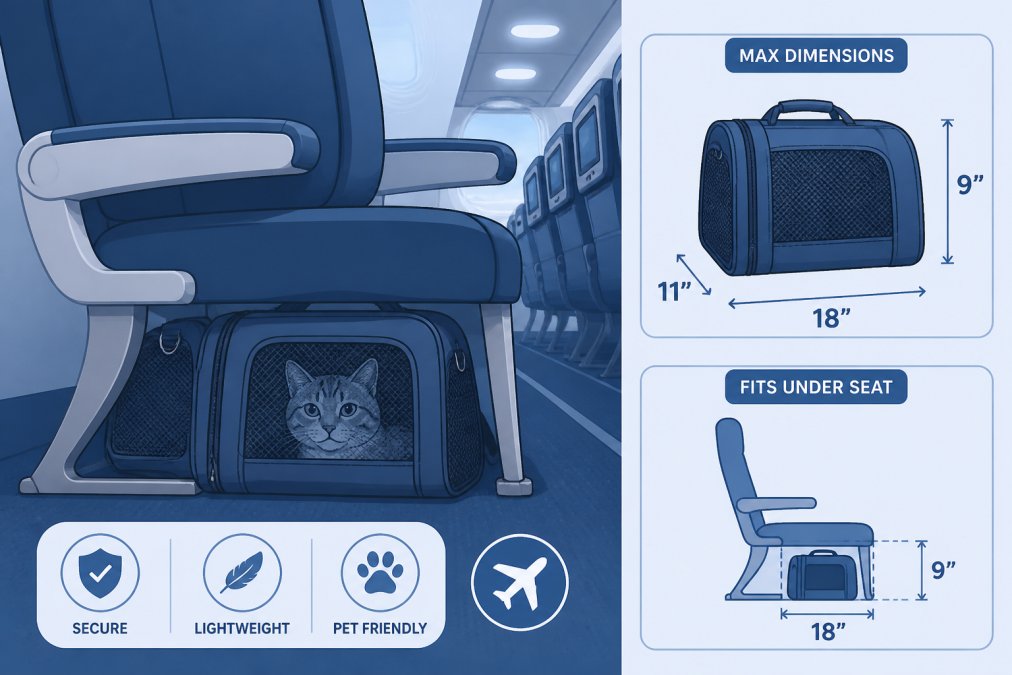
If you fly with your cat, airline compliance is mandatory. The International Air Transport Association (IATA) requires carriers to be well-ventilated, escape-proof, and sized so your cat can stand, turn around, and lie down comfortably.
Soft-sided carriers with proper certification offer the best combination for air travel. They meet IATA standards while providing visibility and ventilation that calm anxious cats. Hard-sided airline-approved carriers work if your cat is calm during flight, they're more durable for rough baggage handling, but your cat experiences less visibility and potentially more stress.
When comparing alternatives, verify IATA certification before purchasing. Check the carrier's documentation for specific airline approval, as some carriers work on domestic flights but not international ones.
Cat Carrier Size Guide: Finding the Right Fit
Carrier dimensions matter more than most guides acknowledge. A carrier that's too small creates stress; one that's too large defeats containment and increases anxiety.
Measure your cat from nose to tail base while standing, then add 4-6 inches for carrier length. Measure height from floor to the top of their head while standing, then add 2-3 inches. Measure width at the widest point, then add 3-4 inches. These dimensions ensure comfortable movement without excessive space.
For large cats, oversized carriers create problems. A Maine Coon needs appropriate sizing, too much empty space makes them feel vulnerable. Multi-cat households can use a single large carrier with dividers or two appropriately-sized carriers placed side by side. Check weight limits and stay within them; oversized cats in undersized carriers create safety concerns during airline transport.
| Carrier Type | Best For | Weight Limit | Ventilation |
|---|---|---|---|
| Soft-sided small | Anxious cats under 10 lbs | 10-12 lbs | 360-degree mesh |
| Hard-sided medium | Calm cats 10-15 lbs | 15-18 lbs | Side and front vents |
| Soft-sided large | Nervous large cats 15-20 lbs | 20-25 lbs | 360-degree mesh |
| Hard-sided extra large | Calm large cats over 20 lbs | 25-30 lbs | Limited vents |
Top Petmate Alternatives Worth Considering
Soft-sided carriers with enhanced ventilation reduce travel anxiety significantly. Mesh panels on multiple sides allow cats to see outside and reduce claustrophobia. Breathability prevents overheating during transport, especially during summer travel.
Hard-sided alternatives with improved handle ergonomics address strain during transport. Some include removable handles for easier storage. Carriers with washable liners simplify post-travel cleanup, a removable, machine-washable liner saves hours of scrubbing after accidents.
When shopping for alternatives, read reviews from people with similar cats. Real customer experiences reveal problems that product descriptions hide.
Finding the right carrier isn't about brand loyalty, it's about matching the carrier to your cat's temperament and your actual travel needs. The best Petmate alternatives solve specific problems: anxiety reduction through visibility, durability through better materials, airline compliance through proper certification, or ease of use through thoughtful design. At SofttailSupply, we understand that pet parents need carriers that work as hard as they do. Our curated selection includes products, with fast 24-48 hour shipping and responsive support when you need help choosing the right fit. Explore alternatives that prioritize your cat's comfort and your peace of mind.
Frequently Asked Questions
What makes a cat carrier airline-approved?
Airline-approved cat carriers must meet specific dimensional requirements (typically under 22 x 14 x 9 inches), have secure latching mechanisms, and provide adequate 360-degree ventilation. Most major carriers require the carrier to fit under the seat in front of you. Check your airline's pet policy before purchasing, as requirements vary. Many Petmate alternatives meet these standards, but always verify compliance before booking travel.
Are soft-sided or hard-sided carriers better for cats?
Soft-sided carriers offer better portability, flexibility for tight spaces, and reduced travel anxiety due to enhanced visibility. Hard-sided carriers provide superior structural integrity, easier cleaning, and better protection during rough handling. For frequent travelers, soft-sided works well; for veterinary visits and rough transport, hard-sided is more durable. Your choice depends on your cat's denning instincts and how often you travel.
How do I know what size carrier my cat needs?
Your cat should have enough space to stand, turn around, and lie down comfortably. Measure your cat from nose to tail (length) and measure their height when standing. Add 2-4 inches to each measurement. Small cats (under 8 lbs) typically fit 18-20 inch carriers; medium cats (8-12 lbs) need 22-24 inch carriers; large cats (over 12 lbs) require 24-28 inch carriers. Oversized carriers can increase travel stress, so proper sizing matters for your cat's comfort.
What should I look for in a high-quality cat carrier alternative?
Prioritize secure latching mechanisms, 360-degree ventilation, removable hardware for easy cleaning, and impact-resistant materials. Check for ergonomic handles that distribute weight evenly and washable liners for hygiene. Look for carriers with escape-proof design and adequate visibility. Test the floor stability and ensure the interior space matches your cat's size. Quality carriers reduce transport stress and last through multiple veterinary visits and travel situations.
Do vets recommend specific cat carrier brands over Petmate?
Veterinarians recommend carriers based on safety features and durability rather than brand alone. They prioritize carriers with secure latching, proper ventilation, and easy access for examination. Many vets appreciate hard-sided carriers for their structural integrity during transport. Rather than endorsing one brand, vets focus on carriers that minimize travel anxiety and allow safe handling. Ask your veterinarian about their preferred specifications when choosing a Petmate alternative for vet visits.
This article was written using GrandRanker