 listicle
Best Calming Beds for Anxious Cats: 8 Top Picks
Table of Contents
- Quick Comparison: Best Calming Beds for Anxious Cats
- Signs of Anxiety in Cats: What to Watch For Before You Buy
- How We Evaluated These Beds
- 1. Sereno Calming Donut Cat Bed: Best for Organic Materials
- 2. Knead Therapeutic Heated Cat Bed: Best for Senior Cats
- 3. K&H Pet Products Thermo-Kitty Bed: Best Heated Bed Under $50
- 4. Moon Cat Cave by Catenary Home: Best Enclosed Cave Bed
- 5. STAYPURR Cat Donut Tunnel: Best for Overstimulated Cats
Last Updated: August 3, 2026
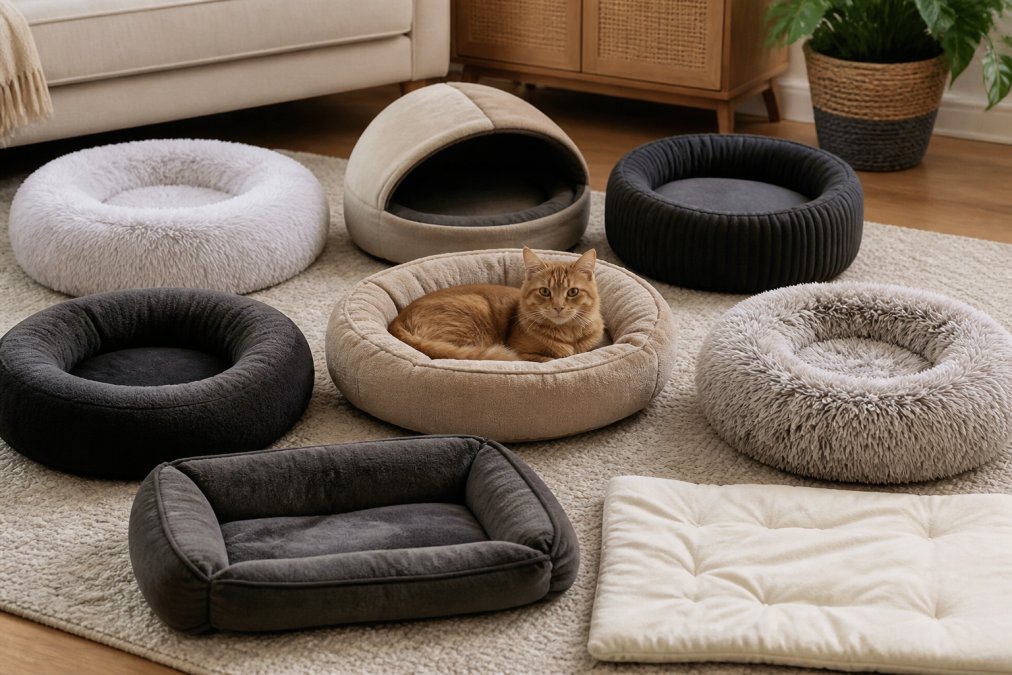
Anxious cats are more common than most owners realize, and finding the right sleep environment is one of the most overlooked parts of managing feline stress. This guide covers eight tested calming beds, from organic donut beds to heated therapeutic designs. At SofttailSupply, we've put together this breakdown to help you match the right bed to your cat's specific anxiety triggers, age, and sleeping style.
Here's what most guides get wrong: they treat all calming beds as interchangeable. A cave-style hideaway solves a completely different problem than a heated orthopedic bed. Buying the wrong type can actually reinforce avoidance behavior in an already nervous cat.
Quick Picks:
- Best Organic Materials: Sereno Calming Donut Cat Bed
- Best for Senior Cats: Knead Therapeutic Heated Cat Bed
- Best Heated Bed Under $50: K&H Pet Products Thermo-Kitty Bed
- Best Enclosed Cave: Moon Cat Cave by Catenary Home
- Best for Overstimulated Cats: STAYPURR Cat Donut Tunnel
Quick Comparison: Best Calming Beds for Anxious Cats
| Bed | Best For | Key Feature | Heated | Washable |
|---|---|---|---|---|
| Sereno Calming Donut | Organic material seekers | Bamboo fleece + kapok fill | No | Yes |
| Knead Therapeutic | Senior/arthritic cats | Nano-heating + orthopedic contours | Yes | Yes |
| K&H Thermo-Kitty | Budget-conscious buyers | Thermostat-controlled pad | Yes | Yes |
| Moon Cat Cave | High-anxiety, multi-pet homes | Enclosed boucle cave | No | Yes (delicate) |
| STAYPURR Donut Tunnel | Overstimulated cats | Felt tunnel enclosure | No | Spot clean |
| PawsPik Self-Warming Cave | Burrowing cats | 4-in-1 configurations | No (self-warming) | Yes |
| Veehoo Calming Donut | Soft surface seekers | Waterproof inner layer | No | Yes |
| Best Friends by Sheri | Curl-up sleepers | Deep faux-fur crevices | No | Yes |
Signs of Anxiety in Cats: What to Watch For Before You Buy
Buying a calming bed before understanding your cat's anxiety pattern is like prescribing medication without a diagnosis. Cats communicate stress through behavioral signals that are easy to miss.
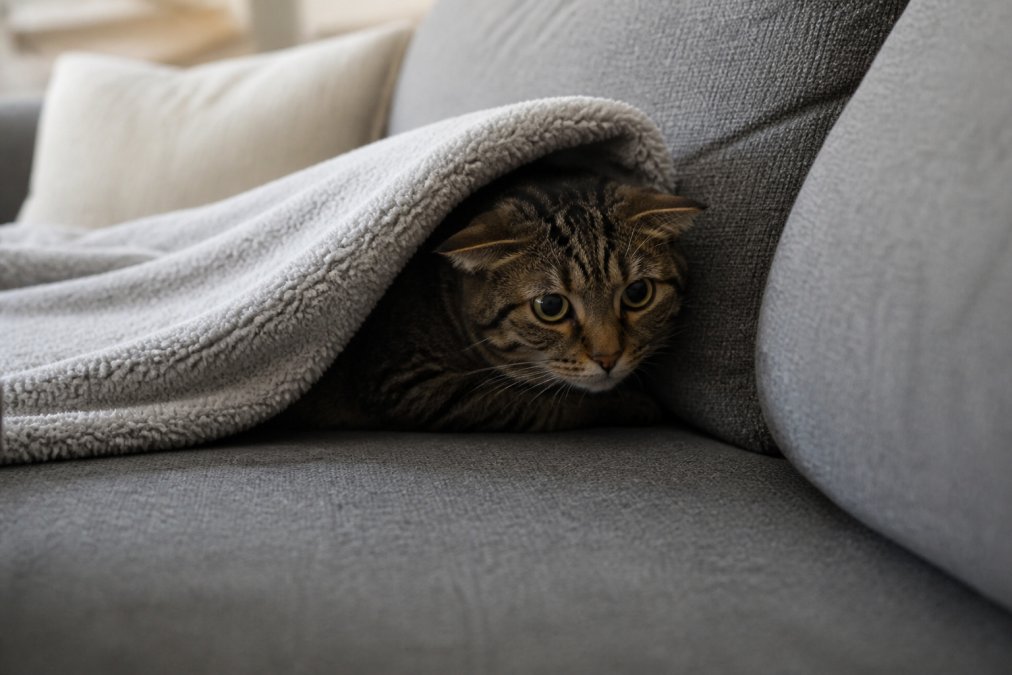
Common signs include hiding in confined spaces, excessive grooming, loss of appetite, unprovoked aggression, and eliminating outside the litter box. Separation anxiety shows up as destructive behavior or excessive vocalization when the owner leaves. Environmental triggers, a new pet, a move, or rearranged furniture, can flip a calm cat into a stressed one within days.
According to the American Association of Feline Practitioners' feline behavior guidelines, environmental enrichment, including access to safe havens and den-like resting spaces, is one of the primary non-pharmacological interventions for feline stress. Calming beds replicate the ancestral instinct to seek enclosed, protected spaces for rest.
Knowing whether your cat's anxiety is situational, chronic, or age-related determines which bed type will actually help. A senior cat with joint pain needs orthopedic support plus warmth. A young, overstimulated cat in a busy household needs total enclosure and sensory reduction.
How We Evaluated These Beds
Every bed was assessed across four criteria: anxiety-relief design, material safety, washability, and suitability for specific life stages.
Key Features That Actually Reduce Stress
A calming bed earns that label through specific structural and material choices:
- Raised walls or high borders: Create a den-like environment that triggers nesting behavior and provides physical security.
- Enclosed or cave-style design: Total enclosure reduces visual stimulation and provides territorial security, critical for multi-pet households.
- Faux-fur or plush cushioning: Mimics warmth and texture of a mother cat, activating self-soothing responses.
- Non-slip base: Prevents shifting when the cat settles, maintaining the sense of a safe haven.
- Memory foam or orthopedic support: Provides pressure relief and supports restful sleep, especially for older cats.
- Thermal regulation: Self-warming materials or controlled heating helps cats maintain comfort without overheating.
The shape matters more than fill material for most anxious cats. A flat plush cushion with premium memory foam will do less for a high-anxiety cat than a basic felt cave. Enclosure is the primary driver of stress reduction.
Material Safety and Toxicity: What to Avoid
Cats groom constantly, ingesting whatever is on their bedding. Material safety is a baseline requirement, not a bonus feature.
Avoid beds with synthetic dyes, chemical flame retardants, formaldehyde-based fabric treatments, loose fill that can be ingested, and non-breathable synthetic linings. Prefer beds using organic cotton, bamboo fleece, kapok, or natural latex, hypoallergenic, breathable materials with significantly lower toxicity risk. As noted by the ASPCA's guidance on pet-safe household products, minimizing a cat's exposure to synthetic chemical treatments is especially important for cats with respiratory sensitivities.
1. Sereno Calming Donut Cat Bed: Best for Organic Materials
For owners who won't compromise on what touches their cat's skin, the Sereno Calming Donut is the most thoughtfully sourced bed on this list.
The bed uses bamboo fleece, shredded organic latex, and kapok fill, all non-toxic and naturally hypoallergenic. The raised border creates strong security, and the zipper-removable cover makes washing straightforward. The organic fill is soft and enveloping rather than firm, ideal for an anxious cat that curls tight and seeks warmth.
Pros:
- Non-toxic, certified organic materials throughout
- High borders for maximum security and nesting behavior
- Machine-washable bamboo fleece cover
Cons:
- Higher price point than synthetic alternatives
- Not suitable for cats needing firm orthopedic support
2. Knead Therapeutic Heated Cat Bed: Best for Senior Cats
The Knead Therapeutic Heated Cat Bed addresses both anxiety and physical discomfort simultaneously.
Proprietary nano-heating technology maintains consistent warmth of 104°F, mirroring a cat's natural body temperature without overheating risk. Sculpted orthopedic contours support joints along the spine and hips, and natural herb pads reduce inflammation. For a senior cat managing arthritis alongside chronic stress, this combination of pressure relief, warmth, and sensory comfort is genuinely therapeutic.
The premium price reflects specialized technology and is unnecessary for young, physically healthy cats with purely behavioral anxiety.
Pros:
- Orthopedic support addresses joint pain that compounds anxiety in older cats
- Thermostatically controlled warmth is cat-safe and consistent
- Removable, machine-washable cover
Cons:
- Premium price point
- Requires an electrical outlet; not portable
3. K&H Pet Products Thermo-Kitty Bed: Best Heated Bed Under $50
The K&H Thermo-Kitty provides proven anxiety-relief benefits of warmth without the premium price tag.
The thermostatically controlled heating pad warms to the cat's normal body temperature. The removable pad allows year-round use: heated in winter, unheated in warmer months. The machine-washable cover is practical for daily use. For cats whose anxiety centers on cold environments or who seek warmth as self-soothing, it solves the right problem affordably.
Pros:
- Thermostat-controlled warmth is safe and consistent
- Removable heating pad allows year-round flexibility
- Machine-washable cover
Cons:
- Requires an electrical outlet
- Open design won't satisfy cats needing full enclosure
4. Moon Cat Cave by Catenary Home: Best Enclosed Cave Bed
Enclosed cat cave beds are the most behaviorally sound option for high-anxiety cats, and the Moon Cat Cave is the best-designed example.
The fully enclosed structure mimics ancestral dens, reducing visual stimulation and providing territorial security. The boucle fabric exterior is durable and aesthetically considered. High-quality foam construction maintains the cave's shape, preventing the collapse that undermines cheaper felt caves. For cats in multi-pet households, this bed creates a genuinely protected hideaway.
Once a high-anxiety cat claims an enclosed bed as a safe haven, that space becomes a calming anchor point. The Moon Cat Cave's structural integrity ensures it stays that way.
Pros:
- Full enclosure provides maximum anxiety relief and sensory comfort
- Durable foam structure maintains shape over time
- Machine washable on delicate settings
Cons:
- Price not listed on the product page; requires direct inquiry
- Delicate wash instructions add a maintenance step
5. STAYPURR Cat Donut Tunnel: Best for Overstimulated Cats
The STAYPURR Cat Donut Tunnel solves a specific problem: the cat that needs to move through an enclosed space, not just sit inside one.
The donut-shaped tunnel design gives overstimulated cats a private passage to retreat into, satisfying both the burrowing instinct and movement-based self-regulation. Felt construction provides natural insulation and a muted sensory environment, ideal for cats overwhelmed by household noise or activity. This bed works particularly well during thunderstorms, fireworks, or high household traffic.
The trade-off is cushioning: felt doesn't offer the plush comfort of faux-fur or foam-filled beds, and cleaning requires more care.
Pros:
- Tunnel design supports movement-based self-soothing
- Felt material provides natural insulation and sensory dampening
- Strong enclosure for cats in busy or noisy environments
Cons:
- Less cushioned than foam or plush-filled alternatives
- Felt cleaning requires specific care; not fully machine-washable
How to Calm an Anxious Cat Using a New Bed
Introducing a calming bed to a nervous cat requires patience. Most anxious cats won't simply walk into a new bed the first day.
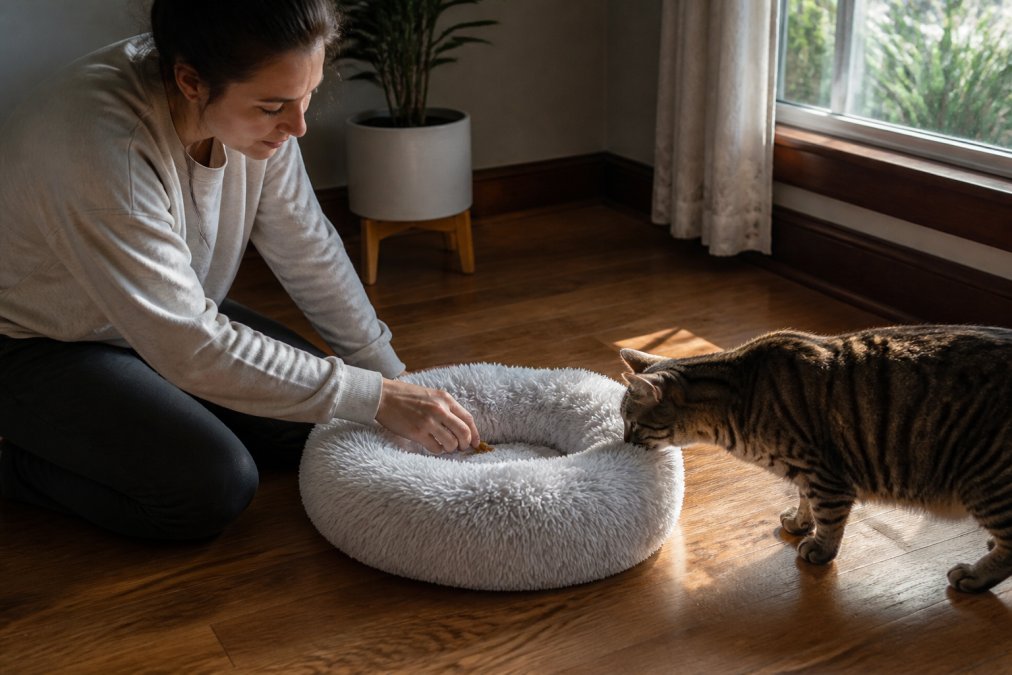
The most effective approach follows a staged introduction:
- Place the bed in a location your cat already frequents, not where you think it should go.
- Add a worn item of your clothing inside the bed for the first 48 hours to transfer familiar scent.
- Use calming pheromone spray near the bed to avoid overwhelming the cat's senses.
- Place high-value treats just inside the bed entrance to create positive association.
- Never force the cat into the bed; allow self-directed exploration over several days.
- Once the cat begins resting voluntarily, maintain the location. Moving a claimed safe haven resets the process.
According to the Cornell Feline Health Center's resources on cat behavior, cats form strong territorial associations with specific resting locations. Respecting those associations during introduction dramatically increases long-term adoption.
A common mistake is placing the bed in a high-traffic area. Anxious cats need their safe haven in a quiet, low-stimulation zone, even if that means a bedroom corner rather than the living room.
Age-Specific Recommendations for Calming Cat Beds
Age changes everything about what a calming bed needs to do.
Kittens and young cats (under 2 years): Young cats with anxiety typically respond to environmental stress or insufficient enrichment. A soft donut bed with high raised walls and faux-fur material supports nesting behavior. Avoid heated beds for very young kittens, as their ability to regulate temperature is still developing.
Adult cats (2-10 years): The widest behavioral range. Adult cats may need anything from full enclosure for separation anxiety to a simple plush donut for general stress reduction. Match the bed type to the specific anxiety trigger.
Senior cats (10+ years): Orthopedic support becomes non-negotiable. Anxiety in senior cats is frequently compounded by physical discomfort. Heated beds with thermostatically controlled warmth are most effective, as warmth directly reduces joint stiffness that contributes to restlessness and stress.
The real difference between a bed that works and one that sits unused often comes down to matching the design to the cat's life stage. A plush donut is fine for a three-year-old with separation anxiety. For a twelve-year-old with arthritis, it's the wrong tool entirely.
Finding the right sleep environment for a stressed cat is one of the most impactful changes an owner can make. SofttailSupply offers a curated selection of high-quality pet comfort products with fast 24-48 hour shipping, easy returns, and responsive customer support. Continue shopping at SofttailSupply to find the calming bed that fits your cat's specific needs and your household's priorities.
Frequently Asked Questions
Do calming cat beds actually work for anxiety?
Calming beds for anxious cats work by mimicking the den-like environments cats instinctively seek for safety. Features like raised walls, enclosed spaces, and faux-fur textures support nesting behavior and self-soothing. While no bed eliminates severe anxiety on its own, many cat owners report noticeable improvements in restful sleep and reduced hiding. For cats with serious separation anxiety or stress, a calming bed works best alongside environmental enrichment and, when needed, guidance from a veterinarian.
What are the most common signs of anxiety in cats?
Signs of anxiety in cats include excessive hiding, over-grooming or hair loss, reduced appetite, aggression toward people or other pets, inappropriate elimination outside the litter box, and constant vocalization. Some anxious cats become clingy while others withdraw entirely. Recognizing these behavioral signals early helps you choose the right calming solution, whether that is a cat cave bed, a heated orthopedic option, or a combination of environmental enrichment strategies.
Are heated beds better for anxious cats?
Heated beds offer an added layer of comfort, especially for senior cats dealing with joint stiffness or cats in colder climates. The warmth supports thermal regulation and can deepen restful sleep. However, non-heated options with plush cushioning and enclosed designs work well for most anxious cats. If your cat has arthritis or consistently seeks out warm spots, a thermostatically controlled heated bed like the K&H Thermo-Kitty is worth the investment. Healthy adult cats often do fine with a self-warming cave bed.
How do I get my anxious cat to use a new calming bed?
Place the bed in a quiet, low-traffic area your cat already gravitates toward. Add a worn T-shirt or a few treats inside to build a positive association. Avoid forcing your cat into the bed. Calming pheromone sprays applied to the bed can help ease the transition. Most cats take between a few days and two weeks to adopt a new sleeping spot. Patience and consistent placement matter more than any single feature of the bed itself.
What materials should I avoid in calming cat beds for safety?
Avoid beds with synthetic fillings that off-gas volatile organic compounds, dyes that are not labeled non-toxic, and loose decorative elements like buttons or ribbons that a cat could ingest. Beds made with organic materials such as bamboo fleece, natural latex, or kapok reduce exposure to potentially harmful chemicals. Always check that any heated bed uses a thermostatically controlled, chew-resistant cord and carries a recognized safety certification before placing it in your cat's sleeping area.
This article was written using GrandRanker