 ultimate-guide
Why Premium Pet Products Cost More
Table of Contents
- What Drives the Price of Premium Pet Products
- How to Evaluate Pet Product Quality Beyond the Price Tag
- Pet Product Safety Standards and Third-Party Testing
- The Real Benefits of Premium Pet Food and Accessories
Last Updated: August 17, 2026
What Drives the Price of Premium Pet Products
The price difference between basic and premium pet products can feel shocking, a standard pet bed costs $25 while a designer version runs $159. Understanding what's behind those numbers reveals whether you're paying for real value or just marketing.

At SofttailSupply, we've spent years sourcing and testing products for dogs and cats. Premium pricing reflects genuine differences in how products are made, tested, and sourced.
Premium pet food uses human-grade ingredients meeting the same safety standards as food for human consumption, requiring different supply chains, storage conditions, and quality control checkpoints than feed-grade materials. Premium brands also invest in feeding trials, actual tests where real pets eat the food and their health markers are tracked, providing data that budget brands skip entirely.
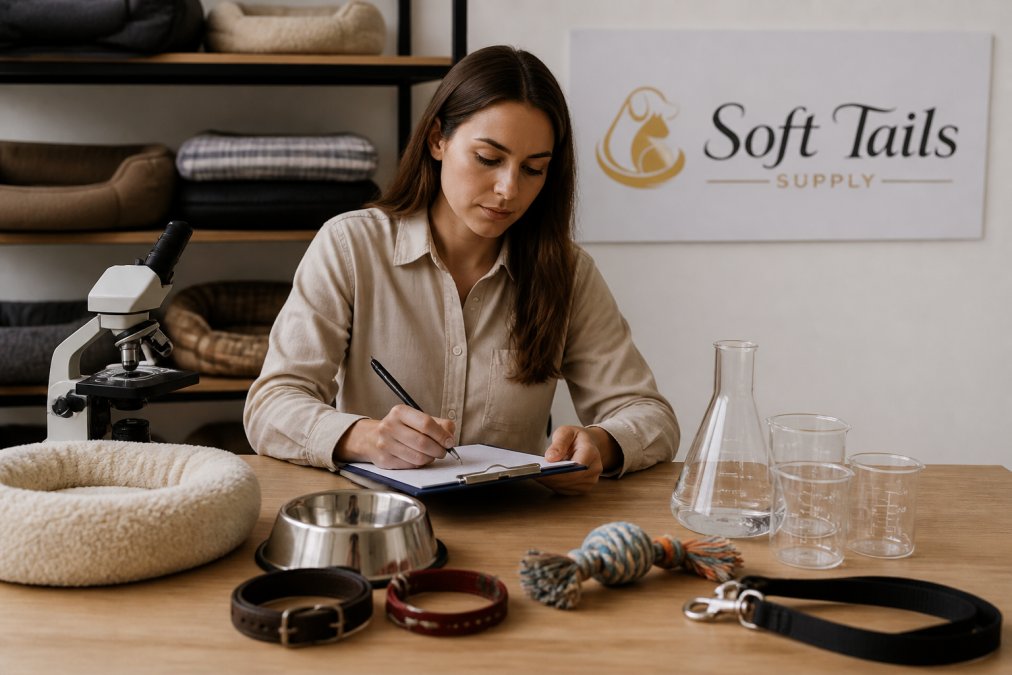
Manufacturing overhead matters significantly. Premium pet products are often made in smaller batches with tighter quality control. A facility producing 5,000 units of a premium toy with reinforced stitching has higher per-unit costs than one producing 50,000 basic units. Third-party testing and safety certifications add real cost, with independent labs verifying that products meet safety standards and materials are non-toxic.
How to Evaluate Pet Product Quality Beyond the Price Tag
Price alone tells you nothing about whether a product is worth buying. The real skill is knowing what signals indicate quality.
Check whether the brand mentions feeding trials or third-party testing. Brands that have conducted feeding trials mention it prominently because it's expensive. Look for specific language: "tested with real dogs," "AAFCO feeding trials completed," or "independently verified."
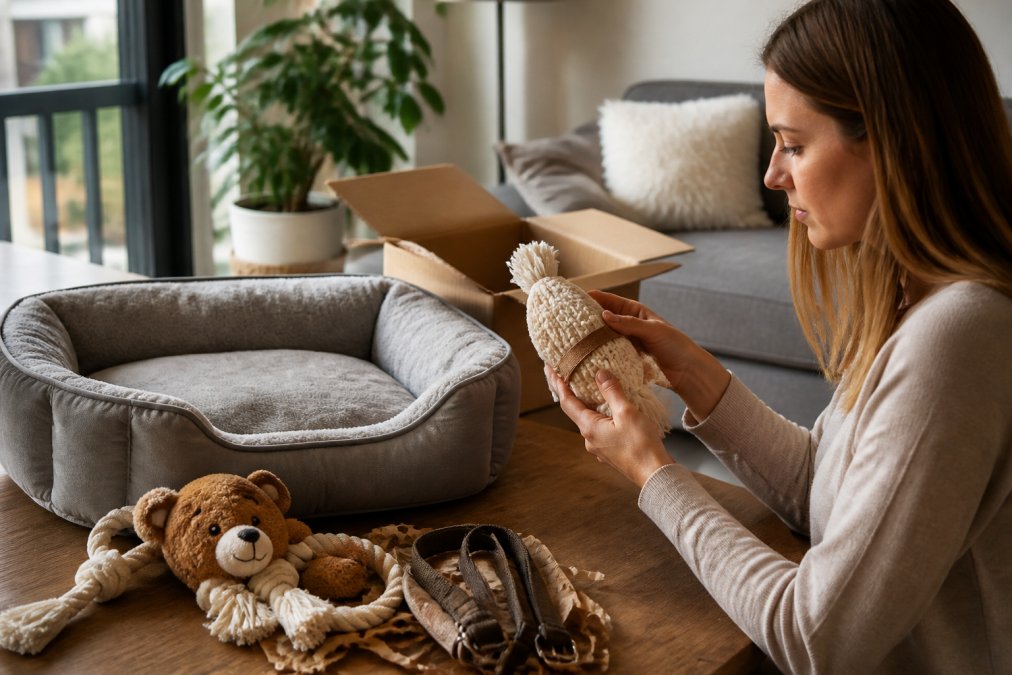
Premium brands list where ingredients come from and explain why they chose specific suppliers. Budget brands list ingredients but rarely explain sourcing. For accessories and toys, examine materials and construction, premium pet beds use higher-density foam, reinforced stitching, and washable covers that last years instead of months.
Check the warranty or guarantee. SofttailSupply stands behind every product with responsive customer support and easy returns because we've tested everything first. A brand offering a 30-day guarantee is betting that the product will perform.
Look for veterinary nutritionist involvement in pet food formulation. This credential matters, a veterinary nutritionist has specific training in pet nutrition and is held to professional standards.
Pet Product Safety Standards and Third-Party Testing
The pet industry operates under loose regulatory standards compared to human products, creating opportunity for premium brands to differentiate through voluntary safety testing exceeding legal minimums.

Pet foods must meet nutritional standards set by the Association of American Feed Control Officials (AAFCO), but these are minimum standards. Premium brands often exceed these minimums and conduct additional testing to verify safety and nutritional bioavailability, the percentage of nutrients a pet actually absorbs and uses.
For accessories and toys, third-party testing checks for toxic materials, structural integrity, and durability. A premium toy might be tested for lead content, BPA, and phthalates. Budget toys often skip this testing because it costs money and adds time to production.
Brands willing to discuss their manufacturing facilities, quality control processes, and testing protocols signal confidence. Veterinary nutritionists review formulations not just for nutritional adequacy but for safety concerns, flagging ingredients that might cause issues for specific pet populations and preventing formulations that might pass minimum standards but cause long-term problems.
The Real Benefits of Premium Pet Food and Accessories
Premium pet food typically produces visible improvements within weeks, coats become shinier, skin healthier, energy levels stabilize, and digestive issues often resolve. These result from better nutrient absorption and fewer fillers causing digestive stress.
Long-term health outcomes shift significantly with premium nutrition. Pets eating formulations designed by veterinary nutritionists and tested through feeding trials tend to have fewer chronic health issues like kidney disease, diabetes, and digestive disorders.
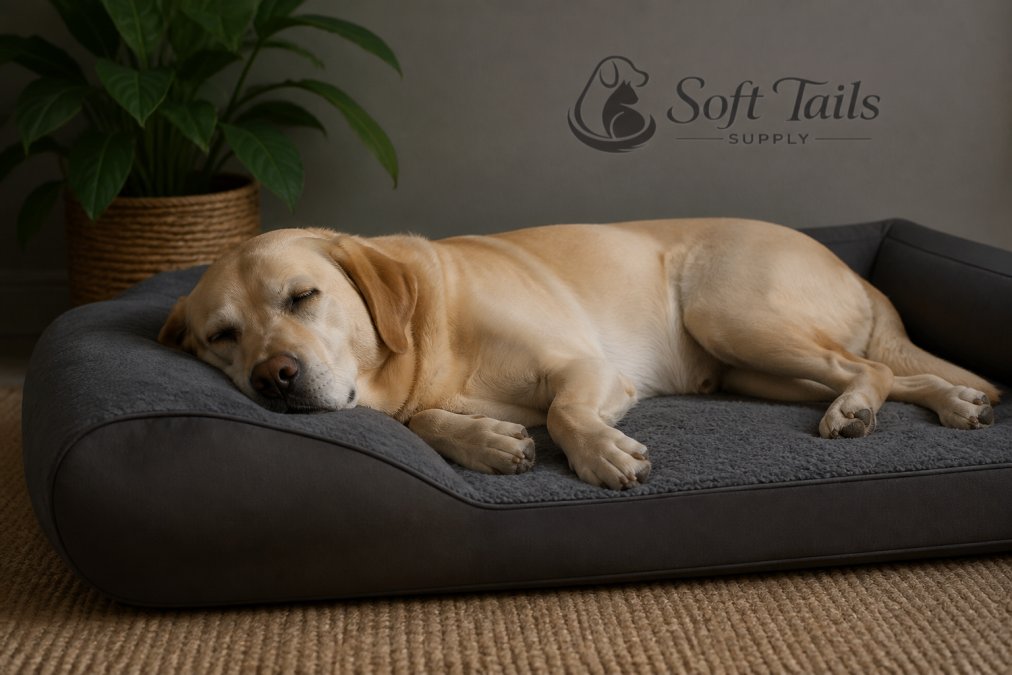
Premium accessories deliver practical benefits beyond aesthetics. A high-quality pet bed with proper support reduces joint stress for aging dogs or cats with arthritis. A durable toy that doesn't fall apart prevents choking hazards and waste.

Many premium brands offer subscription discounts or bulk pricing that reduces per-serving cost significantly. A $60 bag might drop to $48 with a subscription, making daily costs competitive with budget options while delivering superior nutrition.
Durability provides the overlooked economic advantage. A premium pet bed costing $159 upfront but lasting five years costs $32 per year. A budget bed at $25 lasting six months costs $50 per year. Over time, premium products often deliver lower total cost of ownership despite higher sticker prices.
The reason premium pet products cost more isn't a mystery once you understand the actual differences in sourcing, testing, and manufacturing. At SofttailSupply, we've built our entire selection around this principle, sourcing carefully tested products like our Designer Pet Bed in Pewter Mist and Plush Thickened Warm Pet Bed because we know that premium quality delivers real value for your pets. When you evaluate premium pet products, you're not paying for a brand name, you're investing in better health outcomes, durability, and peace of mind.
According to veterinary nutrition research from UC Davis, pets fed formulations developed by veterinary nutritionists show measurably better long-term health outcomes than those on standard commercial diets. The AAFCO guidelines on pet food standards establish minimum nutritional requirements, but premium formulations typically exceed these minimums and undergo additional bioavailability testing. Research from the Pet Food Institute on ingredient sourcing standards shows that human-grade ingredient sourcing requires different supply chain management and quality control than feed-grade materials, directly contributing to higher production costs.
Frequently Asked Questions
Is premium dog food actually worth the higher price?
Premium pet food costs more because it uses higher-quality ingredients with better nutrient density and bioavailability, meaning your pet absorbs more nutrition per serving. Feeding trials and formulation research backed by veterinary nutritionists ensure long-term health outcomes. While the upfront cost is higher, the cost-per-serving often justifies itself through reduced health issues and longer lifespans. Lower-quality alternatives may seem cheaper initially but can lead to digestive problems, allergies, and expensive vet bills.
What specific ingredients differentiate premium pet products from standard brands?
Premium pet products use human-grade or named whole-meat sources rather than meat by-products or meal, have transparent ingredient sourcing, and exclude artificial preservatives and fillers. They often include added probiotics, omega fatty acids, and antioxidants for preventative health. Manufacturing overhead for quality control standards and safety testing adds to the cost, but these ingredients deliver better digestibility and palatability. Standard brands prioritize cost reduction over ingredient quality, which affects your pet's wellness.
How do manufacturing standards impact the cost of premium pet toys and accessories?
Premium manufacturers invest in quality control standards, third-party testing, and safety compliance that budget brands skip. Each product undergoes durability testing to ensure it withstands real-world use, critical for toys and accessories. Manufacturing transparency and traceability of raw materials add overhead but prevent recalls and safety failures. Products like our Designer Pet Bed ($159) or Camel Leather Dog Collar ($68) reflect these rigorous standards, ensuring longevity and safety your pet deserves.
Are premium pet products safer for my cat or dog?
Yes, premium pet products meet stricter pet product safety standards and undergo third-party testing that budget alternatives often skip. This testing verifies non-toxic materials, durability under stress, and absence of choking hazards. Premium manufacturers maintain transparent supply chains and quality control, reducing contamination and defect risks. While price doesn't guarantee safety, established premium brands like SofttailSupply invest in verified safety protocols, giving you confidence your pet won't be harmed by inferior materials or construction.
This article was written using GrandRanker