 ultimate-guide
Why Pet Products Vary in Quality: A 2026 Guide
Table of Contents
- Why Pet Products Vary in Quality: Ingredients, Manufacturing, and More
- Pet Product Safety Standards: What to Look For
- How to Evaluate Pet Product Quality Before You Buy
- Frequently Asked Questions
Last Updated: September 22, 2026
Why Pet Products Vary in Quality: Ingredients, Manufacturing, and More
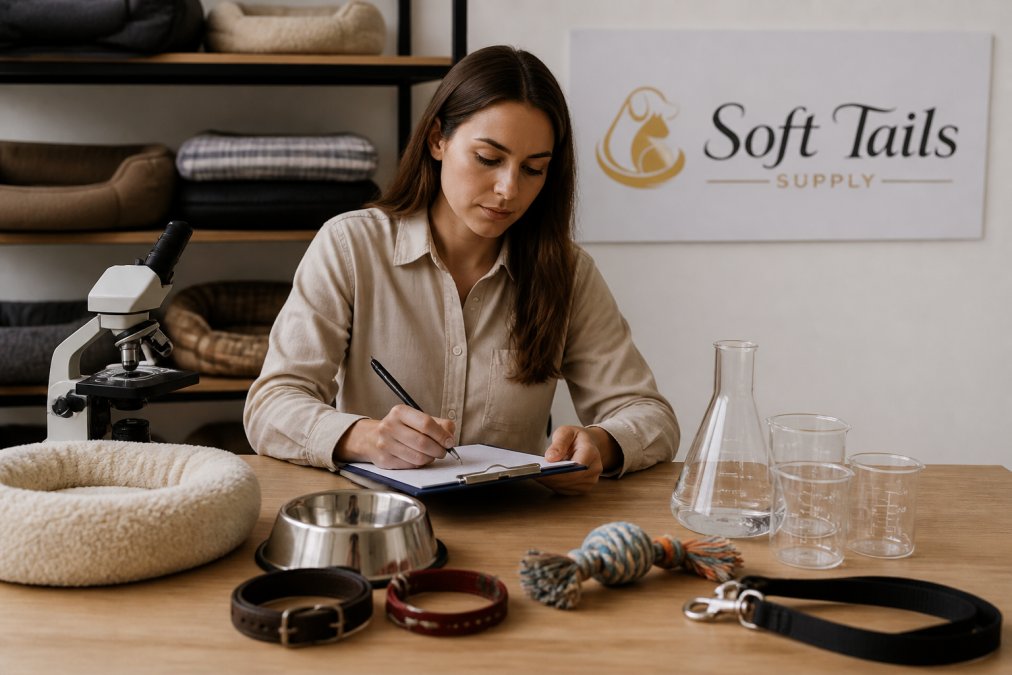
Two nearly identical dog toys can differ in price by several times. Understanding why pet products vary in quality starts with three variables: what's inside, how it was made, and how honestly it's labeled.
Ingredient composition and materials form the first dividing line. A toy's durability depends on polymer grade and thickness; treats depend on whether the protein source is named or a vague "meat meal."
Manufacturing standards decide whether good materials stay good. Facilities with documented quality control run batch testing and product testing at multiple stages; those chasing volume skip them.
Labeling accuracy ties it together. A label naming its protein source, stating ingredient composition clearly, and carrying a recognized certification gives you something to verify; vague labels ("premium blend," "natural flavor") give you nothing to check.
Pet Product Safety Standards: What to Look For
Pet product safety standards separate a trustworthy product from a risky one. In the US, the FDA oversees animal food and drugs, while the CPSC has authority over some pet products. For treats and food, look for an AAFCO nutritional adequacy statement; for toys, durability claims backed by product testing.
Check for an AAFCO nutritional adequacy statement, named protein sources, a human-grade designation if claimed, third-party testing references, traceability (origin, manufacturer, batch codes), and clear shelf-life and storage instructions.
Safety hazards include loose small parts on toys, chemical additives in treats, and contamination risks in poorly sealed packaging.
How to Evaluate Pet Product Quality Before You Buy
Evaluating quality takes about two minutes in the store: read the label, look for certifications, and inspect the product.
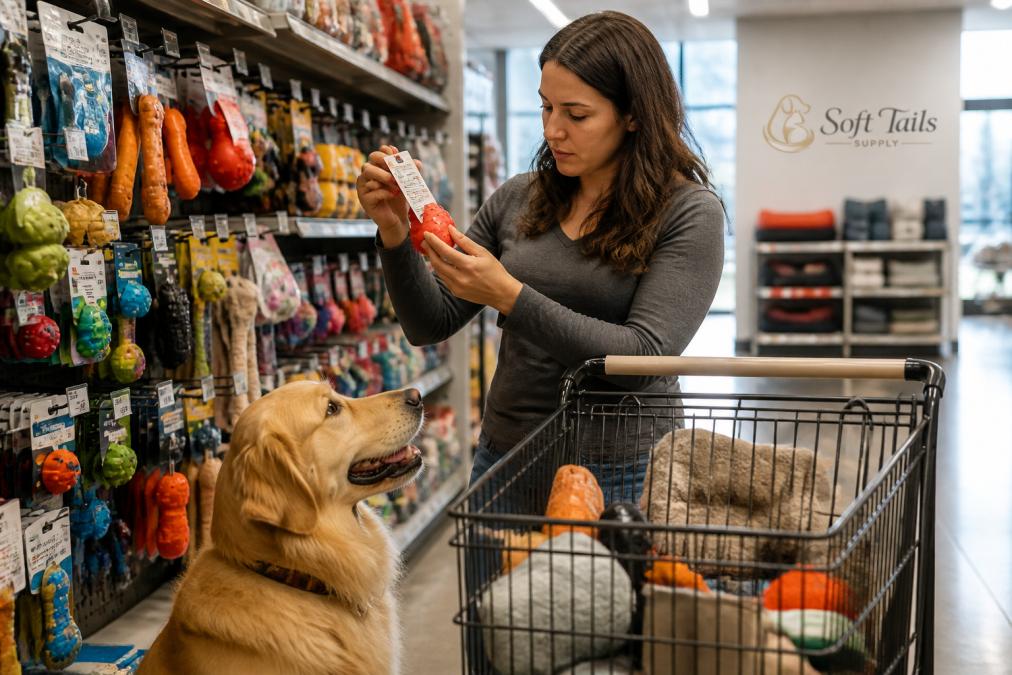
Step 1: Read the ingredient panel, not the front of the package. Front-of-package claims are marketing; the ingredient list and nutritional adequacy statement are the facts.
Step 2: Look for certifications and testing references. A certification from a recognized body, or even a stated lab name, means someone outside the manufacturer checked the product.
Step 3: Inspect the physical product. Squeeze the toy. Check the seams. Look for loose pieces.
Step 4: Compare like for like. Two toys at different prices aren't comparable until you check materials, thickness, and testing claims side by side.
Step 5: Check the return policy and customer reviews. Reviews mentioning lifecycle quality degradation (how the product holds up after weeks, not days) tell you more than star ratings.
Frequently Asked Questions
How can I tell if a pet product is safe?
Check for third-party testing seals like those from the FDA or Consumer Product Safety Commission. Look for clear labeling of materials and age recommendations. Avoid products with strong chemical odors or loose parts that could be swallowed. Read reviews and choose brands that disclose their manufacturing standards.
Why do some pet toys cost more than others?
Higher-priced toys often use more durable, pet-safe materials like natural rubber or reinforced nylon, and undergo rigorous testing. Cheaper toys may use recycled plastics or toxic dyes that can break easily. The price difference reflects better quality control, longer shelf-life, and compliance with safety standards. It's not just marketing.
What are the best alternatives to Wild One pet products?
Consider brands like SofttailSupply, which offers a curated selection of high-quality pet essentials. Other options include West Paw for durable toys and Earth Rated for waste bags. Look for products that meet safety standards and have positive reviews from pet owners. Always verify materials and return policies before buying.
Pet owners face a real challenge: the market rewards cheap production, and cheap production hides its shortcuts behind identical packaging. At SofttailSupply, we curate products with verifiable materials, clear labeling, and durability that holds up to real use, backed by fast 24-48 hour shipping, secure payment options, and responsive customer support. Continue shopping with SofttailSupply and find essentials built to last.