 ultimate-guide
Why Pet Toys Break Easily: The Real Reasons
Table of Contents
- Why Pet Toys Break Easily: Understanding the Root Causes
- Durable Dog Toys for Heavy Chewers: Material and Construction Matter
- Signs a Dog Toy Is Unsafe: Recognizing Hazards Before Damage Happens
- How to Choose Safe Dog Toys and Prevent Premature Breakage
Last Updated: August 23, 2026
Why Pet Toys Break Easily: Understanding the Root Causes
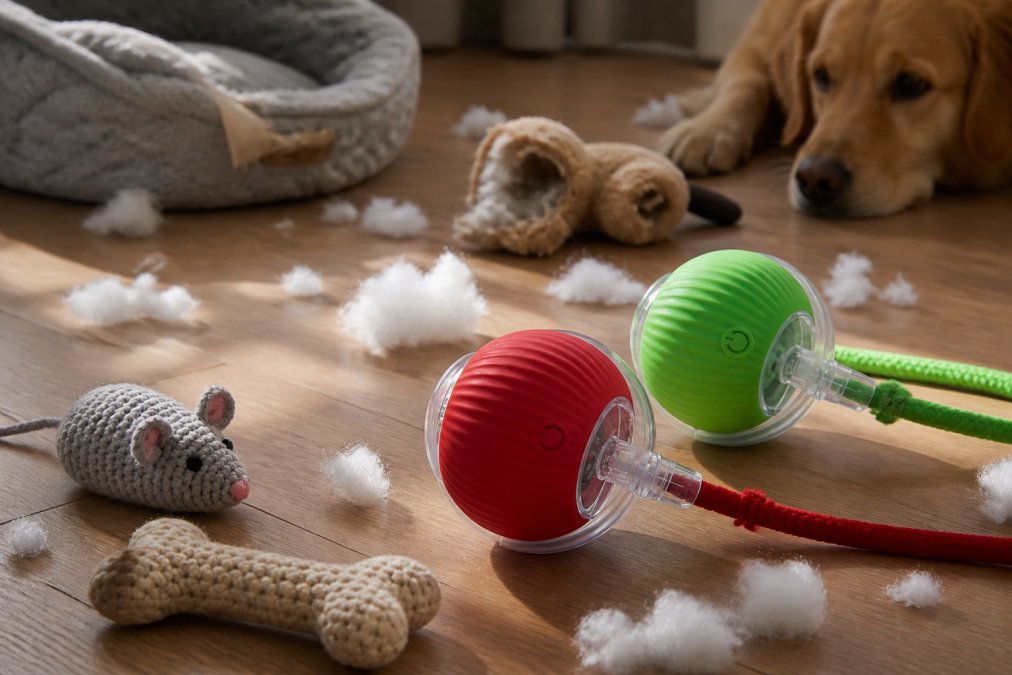
Pet toys break easily because they face forces most materials aren't engineered to withstand. Your dog's bite force can reach 200 pounds per square inch, and their natural prey drive pushes toys to failure points manufacturers rarely anticipate (avma.org). Most pet toys use low-grade polymers and rubber compounds that degrade quickly under constant stress. Squeakers and stuffing create weak points that tear apart during aggressive play, while poor reinforced seams split within days. Toy breakage isn't random, it follows predictable patterns based on how dogs play, what materials are used, and how toys are constructed.
Durable Dog Toys for Heavy Chewers: Material and Construction Matter
Heavy chewers need toys made from high-tensile-strength rubber compounds and reinforced nylon that resist puncture and tearing. Look for toys with thick, bonded seams rather than stitched ones, since stitching unravels under sustained pressure. Natural rubber holds up better than synthetic alternatives, but only if construction supports it. Toys without stuffing or squeakers last longer because those components create stress points where failure begins.
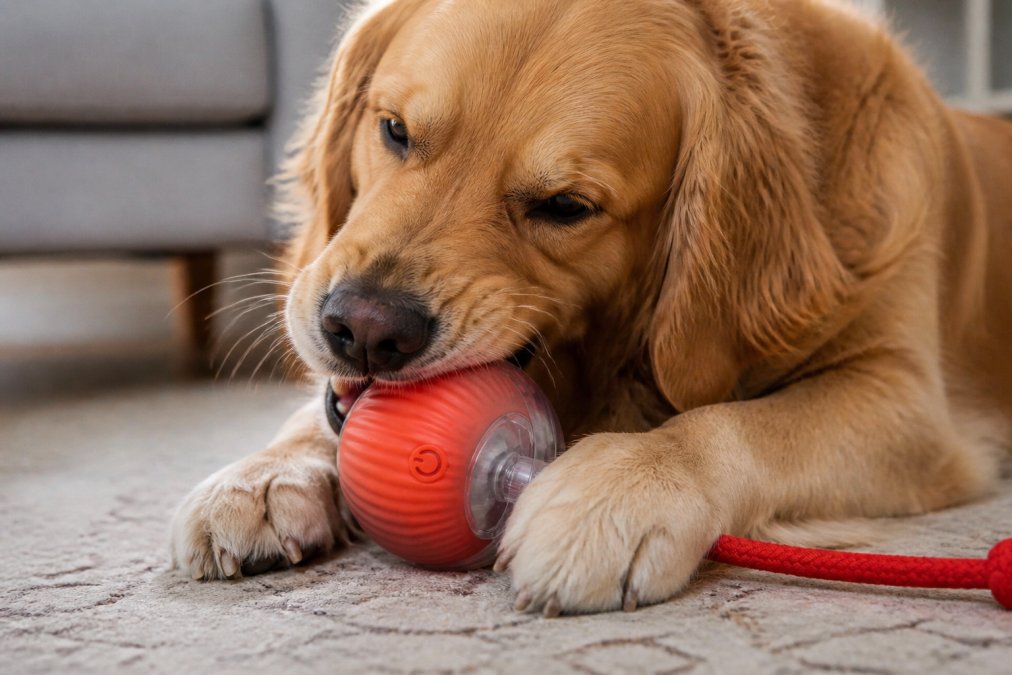
The Suction Ball Interactive Dog Toy at SofttailSupply ($23.99) uses a durable polymer design without internal components, making it ideal for dogs that destroy traditional toys. Material thickness matters too, thin-walled toys collapse under bite pressure, while thicker construction distributes force across a larger surface area, preventing localized failure. Professional-grade toys cost more upfront but save money long-term because they're engineered for the actual stress dogs apply.

Signs a Dog Toy Is Unsafe: Recognizing Hazards Before Damage Happens
Unsafe toys show specific warning signs before complete failure: fraying fabric, loose stuffing, separated seams, and visible cracks. Once a toy starts de-stuffing, ingestion hazard increases dramatically, your dog can swallow foam, plastic pellets, or squeaker mechanisms, creating choking risk and potential intestinal blockage (aafco.org). Squeakers are particularly dangerous once toys begin failing, as exposed squeakers become choking hazards. Supervision during play prevents most accidents. Remove toys immediately if they show damage and replace them before they reach the point of falling apart.
How to Choose Safe Dog Toys and Prevent Premature Breakage
Choosing the right toy starts with matching toy durability to your dog's play style and weight. Select toys designed for your dog's jaw strength, a toy rated for dogs under 25 pounds won't survive a 70-pound pit bull. Rotation matters too; cycling through different toys prevents any single toy from being destroyed through constant use.
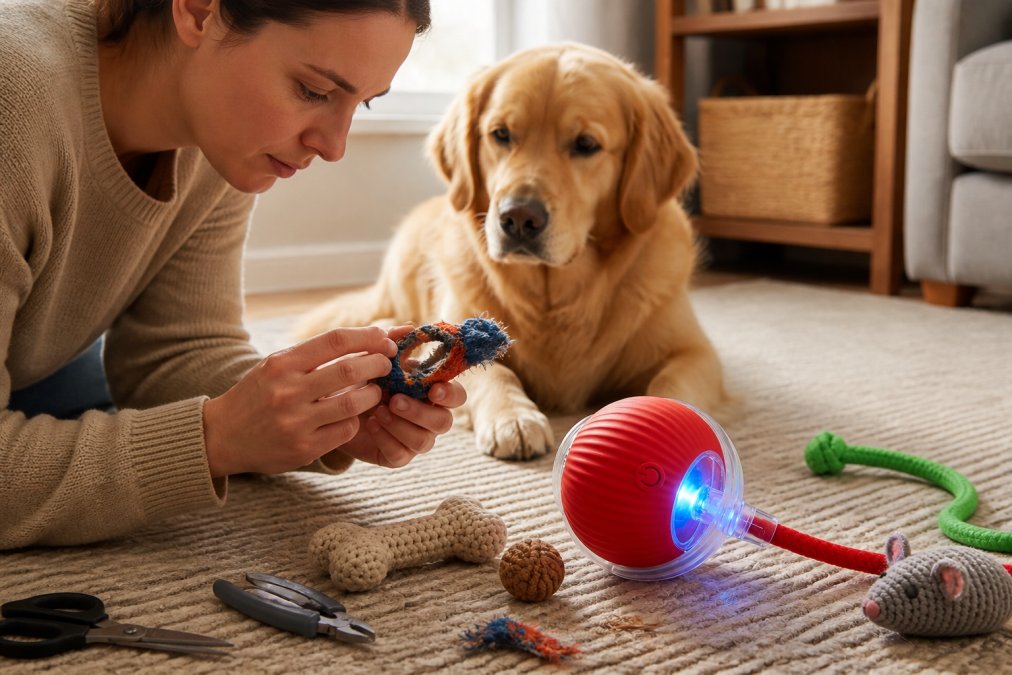
The Smart Rolling Pet Ball ($14.99) uses sensor technology that mimics prey movement without stuffing or squeakers, reducing choking risk while keeping dogs engaged. The Flapping Bird Cat Toy ($26.99) triggers natural hunting instincts with durable materials designed to withstand repeated interaction. Inspect toys weekly, wash them regularly to check for hidden damage, and store them in a dry place where moisture can't degrade materials. These simple practices extend toy life and keep your pet safe.

Choosing toys that last requires understanding why toys break in the first place. Material quality, construction methods, and proper toy selection make the difference between toys that fail in days and toys that survive months of aggressive play. SofttailSupply offers carefully tested toys built to handle real-world dog behavior, with fast 24-48 hour shipping and responsive customer support to ensure you get the right toy for your dog's needs. The American Veterinary Medical Association provides guidance on toy safety to help pet owners make informed choices that protect their pets from choking and ingestion hazards.
Frequently Asked Questions
Why do dogs destroy toys so quickly?
Dogs destroy toys due to a combination of natural prey drive, boredom, and stress. Their instinct to hunt and tear apart prey translates to destructive behavior with toys. When toys lack proper mental stimulation or when dogs experience separation anxiety, they're more likely to shred and de-stuff toys rapidly. Aggressive chewers with high bite force can destroy poorly constructed toys in minutes. Choosing durable dog toys for heavy chewers with reinforced seams and non-toxic rubber compounds significantly extends toy lifespan.
What are signs a dog toy is unsafe?
Signs a dog toy is unsafe include loose stuffing, torn seams, exposed squeakers, small detachable parts, and visible wear exposing the inner material. These conditions create choking risks and ingestion hazards. Frayed edges, punctures, and de-stuffing indicate the toy is deteriorating and should be replaced immediately. Non-toxic materials are essential, but even safe toys become dangerous once damaged. Inspect toys regularly during play and after heavy chewing sessions to catch problems early.
How do I choose safe dog toys that won't break immediately?
Select toys designed for your dog's specific play style and bite force. Look for reinforced seams, durable polymer or rubber compounds, and toys without small squeakers or stuffing that can be ingested. Match toy size to your dog's mouth to prevent choking. Consider interactive toys like the Smart Rolling Pet Ball or Suction Ball Interactive Dog Toy that redirect destructive behavior toward engagement rather than destruction. Rotate toys regularly to maintain interest and reduce boredom-driven damage.
This article was written using GrandRanker