 ultimate-guide
Signs Your Dog Is an Aggressive Chewer
Table of Contents
- Signs Your Dog Is an Aggressive Chewer
- How to Stop Destructive Chewing in Dogs
- Durable Dog Toys for Aggressive Chewers
- Frequently Asked Questions
Last Updated: September 19, 2026
Signs Your Dog Is an Aggressive Chewer
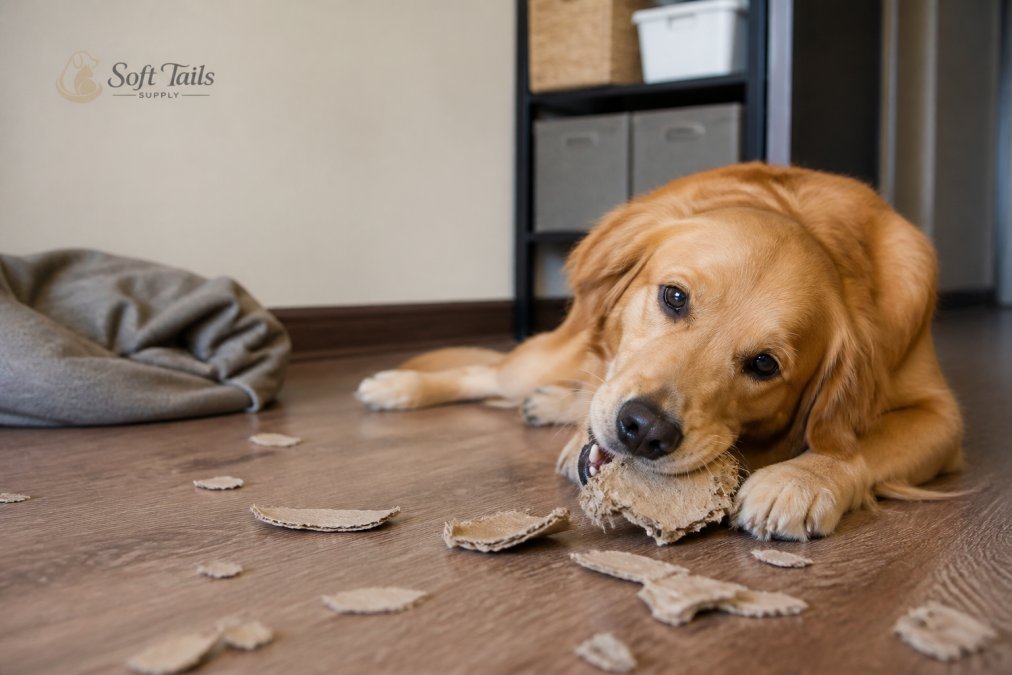
An aggressive chewer is a dog that chews with enough force and persistence to destroy standard toys, furniture, and household items within minutes.
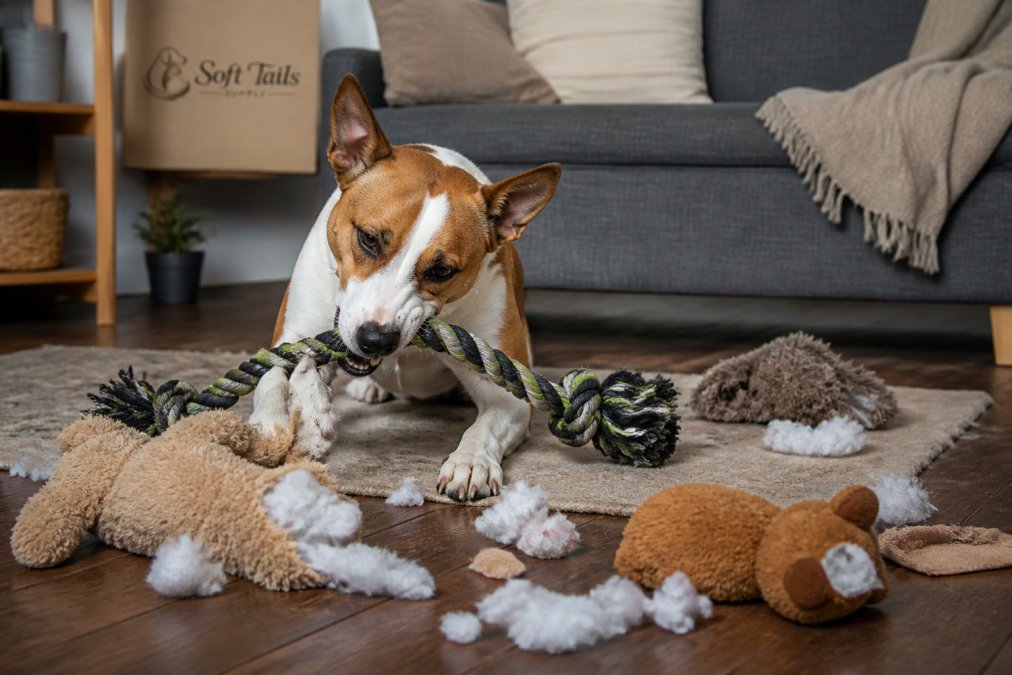
Key signs: "tough" toys shredded within hours, gnawing on furniture, shoes, or remotes, chewing even when you're present, stuffed toys losing squeakers on day one, swallowing pieces, and resuming gnawing minutes after you take an item away. Chew intensity matters more than size: a small dog with a powerful jaw can out-damage a large dog with a gentle chew style.
How to Stop Destructive Chewing in Dogs
Stopping destructive chewing starts with identifying the cause, then redirecting the behavior.
Common causes:
- Teething in puppies. Puppies 3-6 months chew to relieve gum discomfort.
- Boredom. A dog with nothing to do will find something.
- Separation anxiety. Dogs that chew only when alone are anxious, not bored; crate training and gradual departure practice help.
- High energy. Unburned energy gets redirected into gnawing.
- Natural exploration. Puppies investigate with their mouths.
Behavioral modification protocol:
- Manage the environment. Put shoes, cords, and remotes out of reach.
- Increase exercise and mental stimulation. A tired dog chews less; puzzle feeders and long walks help.
- Redirect, don't punish. Swap the wrong item for an appropriate chew toy and praise the swap.
- Reward calm chewing. Praise your dog for chewing the right item.
- Supervise and confine when you can't. Use a crate or dog-proofed room during unsupervised hours.
For mental stimulation, the Interactive Baseball Treat Dispenser for Dogs turns treat time into a problem-solving activity.

Durable Dog Toys for Aggressive Chewers
The right durable dog toys for aggressive chewers share three traits: tough materials, appropriate sizing, and a design that rewards chewing without breaking apart. Match the toy to your dog's chew style, not just their weight.
| Chew Style | What It Looks Like | Best Toy Type |
|---|---|---|
| Power chewer | Destroys "tough" toys in minutes | Thick rubber, reinforced rope |
| Moderate chewer | Wears toys down over weeks | Durable rubber, nylon |
| Tugger | Pulls and shakes rather than gnaws | Rope and suction toys |
| Teether | Mouths and nibbles constantly | Flexible rubber, textured toys |
For tugging and pull-driven chewing, the Suction Cup Interactive Dog Toy attaches to a smooth surface and gives your dog something satisfying to pull on.
Suction Cup Interactive Dog Toy →

For mental stimulation at mealtime, the Interactive Slow Feeder Toy for Dogs adds a puzzle step to eating, slowing fast eaters and giving persistent chewers something productive to focus on.

Safety checklist before you buy:
- No small parts that can pop off and become a choking hazard
- Sized large enough that your dog can't swallow it
- Non-toxic materials with no strong chemical smell
- No sharp edges after the first few chews
- Supervise use until you know how your dog handles it
Material safety matters more than marketing. Look for toys labeled non-toxic and free of small detachable pieces. If a toy is destroyed in one session, it wasn't built for your dog's chew intensity.
SofttailSupply carries a curated range of durable, interactive toys built to hold up to enthusiastic chewers, including our suction cup tug toy, slow feeder, and treat dispenser. With fast 24-48 hour shipping, secure payment options, and responsive customer support, getting the right outlet for your dog's chewing is simple.
Frequently Asked Questions
Do dogs grow out of aggressive chewing?
Most dogs grow out of teething-related chewing by 12 to 18 months, but true aggressive chewing often persists without intervention. Persistent gnawing usually points to boredom, high energy, or a need for mental stimulation rather than puppy development. If your dog keeps destroying toys well past the teething stage, the behavior will not fade on its own. Redirecting behavior with durable toys and daily enrichment is the most reliable way to reduce it.
What are the primary causes of destructive chewing in dogs?
Common causes include boredom, pent-up energy, separation anxiety, and teething in puppies. Dogs left alone for long stretches often chew to relieve stress or occupy themselves. High-energy breeds may chew because they need more physical exercise and mental stimulation than they currently get. Identifying the trigger matters more than correcting the symptom, because a tired, engaged dog is far less likely to gnaw on furniture or baseboards.
How can I tell the difference between play chewing and destructive chewing?
Play chewing is directed at appropriate toys and stops when your dog loses interest. Destructive chewing targets furniture, shoes, walls, or swallowed debris, and it tends to be relentless. Signs your dog is an aggressive chewer include shredded durable toys, chewed baseboards, and persistent gnawing even after exercise. A choking hazard or swallowed foreign objects also signal a problem. Providing durable dog toys for aggressive chewers and redirecting behavior early makes a real difference.