 listicle
Is Automatic Ball Launcher Safe for Dogs?
Table of Contents
- Safety Features That Matter in Automatic Ball Launchers
- Dog Ball Launcher Safety Tips and Best Practices
- Repetitive Fetch Injuries in Dogs and Joint Health
- Choosing a Safe Automatic Ball Launcher
Last Updated: August 11, 2026
Safety Features That Matter in Automatic Ball Launchers
An automatic ball launcher is only as safe as the mechanisms designed to prevent injury. The best models combine motion sensors, audible alerts, and adjustable settings that give you control over how hard and far your dog plays.

Motion sensors are the first line of defense. A quality motion sensor detects when your dog is too close to the launcher and stops the mechanism before firing. According to PetSafe's product safety guidelines, sensors should detect pets within 7 feet and prevent launching when motion is detected in that zone.
Audible alerts matter more than you'd think. A buzzer or tone that sounds before the ball launches gives your dog a warning and gives you time to intervene if something looks wrong.
Adjustable launch distance and angle settings let you control the intensity of play. The best models offer multiple distance settings (typically 10, 25, and 40 feet) so you can match the device to your dog's age, fitness level, and the environment.
Automatic rest periods prevent overexertion. Some launchers have built-in timers that pause play after 15 minutes, which helps stop dogs from pushing themselves into exhaustion.
Dog Ball Launcher Safety Tips and Best Practices
The best automatic ball launcher won't keep your dog safe if you're not supervising and following basic protocols.
Always supervise playtime, even with advanced safety features. Motion sensors can fail, and dogs can position themselves unexpectedly. A common mistake is setting up a launcher and walking away, assuming the device will handle everything.
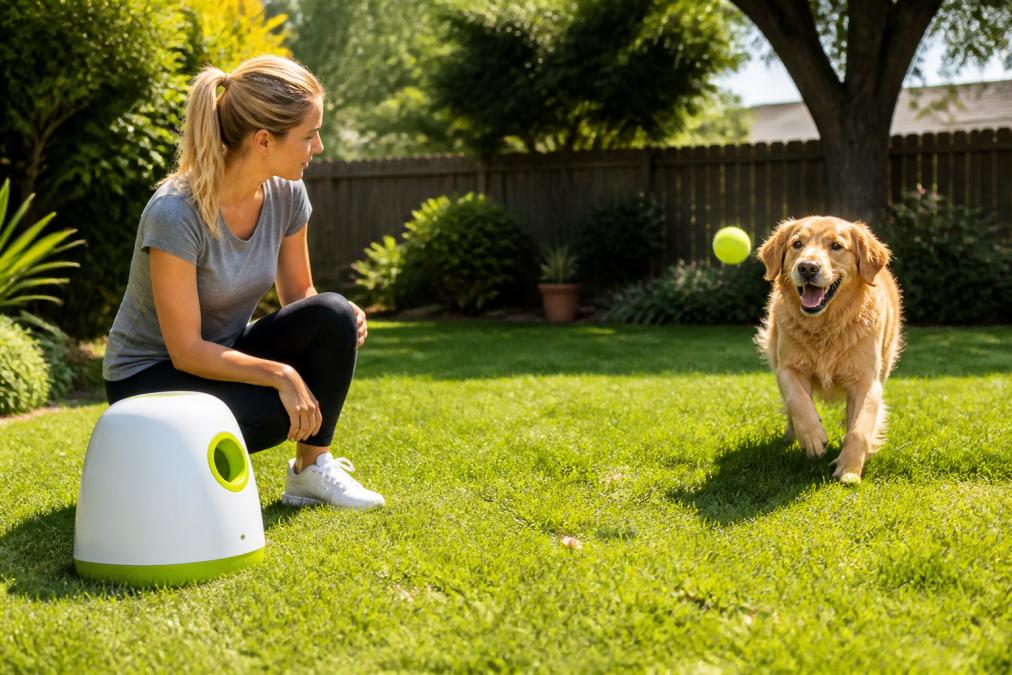
Start with short sessions and watch for signs of fatigue. Limit play to 5-10 minutes initially and observe your dog's response. Excessive panting, slower retrieval speed, or reluctance to return are signs your dog has had enough.
Match the launcher to your dog's size and age. A launcher designed for large dogs will fire with too much force for a small dog or puppy. Ball size compatibility matters too, toy breeds need 1.75-inch balls, not standard 2.6-inch tennis balls.
Check the equipment before every session. Look for cracks in the launcher, damage to the ball hopper, and worn sensor components. Remove damaged balls with exposed felt or rubber immediately.
Keep the launcher on level, stable ground. An uneven surface can cause the device to shift during launch, changing the angle unexpectedly.
Set realistic distance and angle limits for your environment. Launching a ball at 40 feet in a small backyard or indoors is dangerous. Use the lowest effective distance setting for your space.
Enforce rest periods. Even if your dog wants to keep playing, enforce breaks, typically 10-15 minutes of active play followed by a 5-minute rest.
Repetitive Fetch Injuries in Dogs and Joint Health
Automatic launchers make fetch convenient, but convenience creates risk. When a dog can play fetch for an hour straight, repetitive strain injuries become a real concern.
Repetitive strain injury in dogs from fetch is cumulative. Each jump, sprint, and sudden stop places stress on joints, ligaments, and cartilage. Dogs with high prey drive won't self-regulate and will chase until they collapse if given the opportunity.
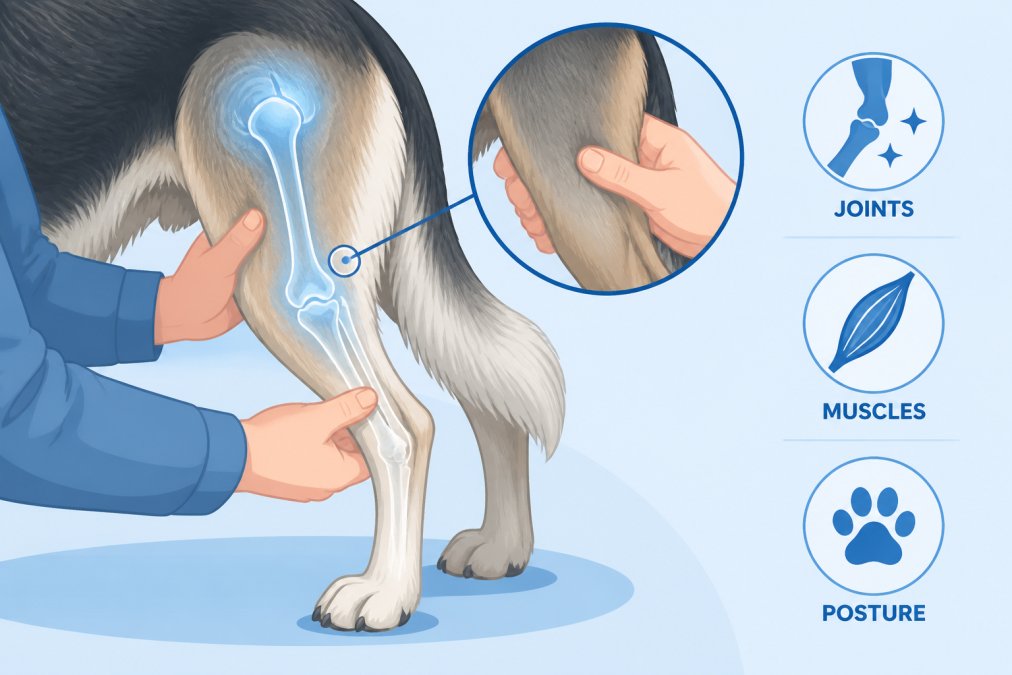
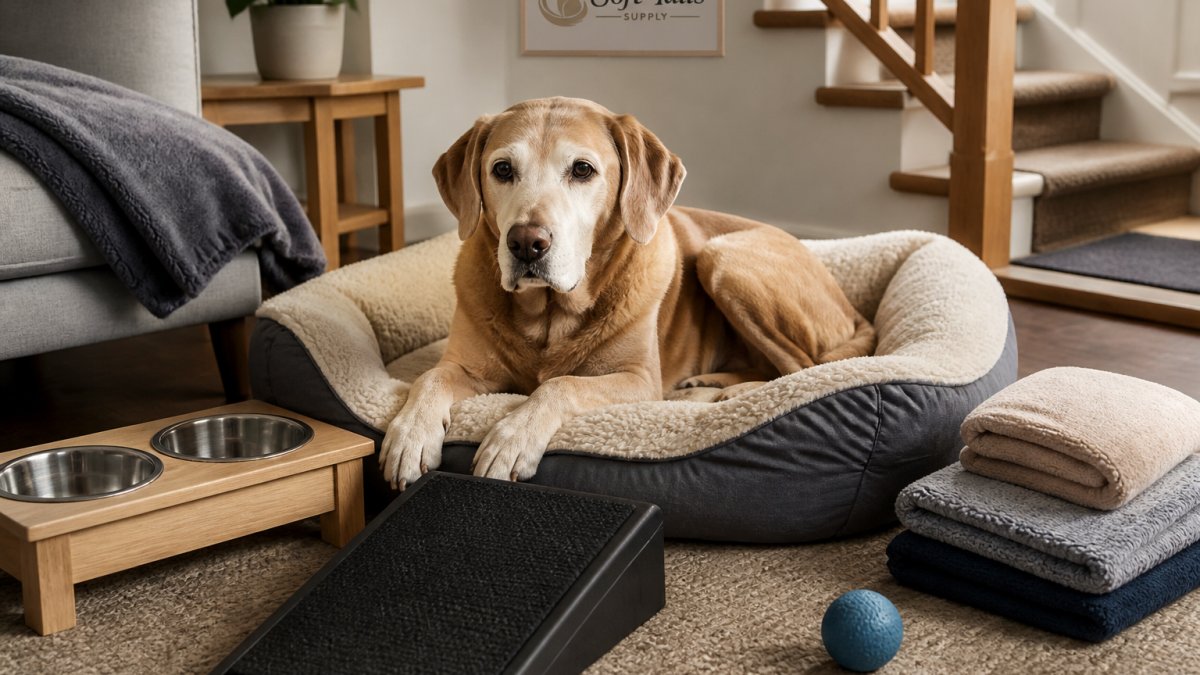
High-energy breeds like Border Collies, Australian Shepherds, and Labrador Retrievers are at higher risk. Older dogs and dogs with existing joint issues (hip dysplasia, arthritis) are even more vulnerable.
Watch for warning signs: limping or favoring a rear leg after play, reluctance to jump or climb stairs, stiffness after rest, swelling in the joints, or changes in gait. If you notice any of these, stop using the launcher and consult a veterinarian.
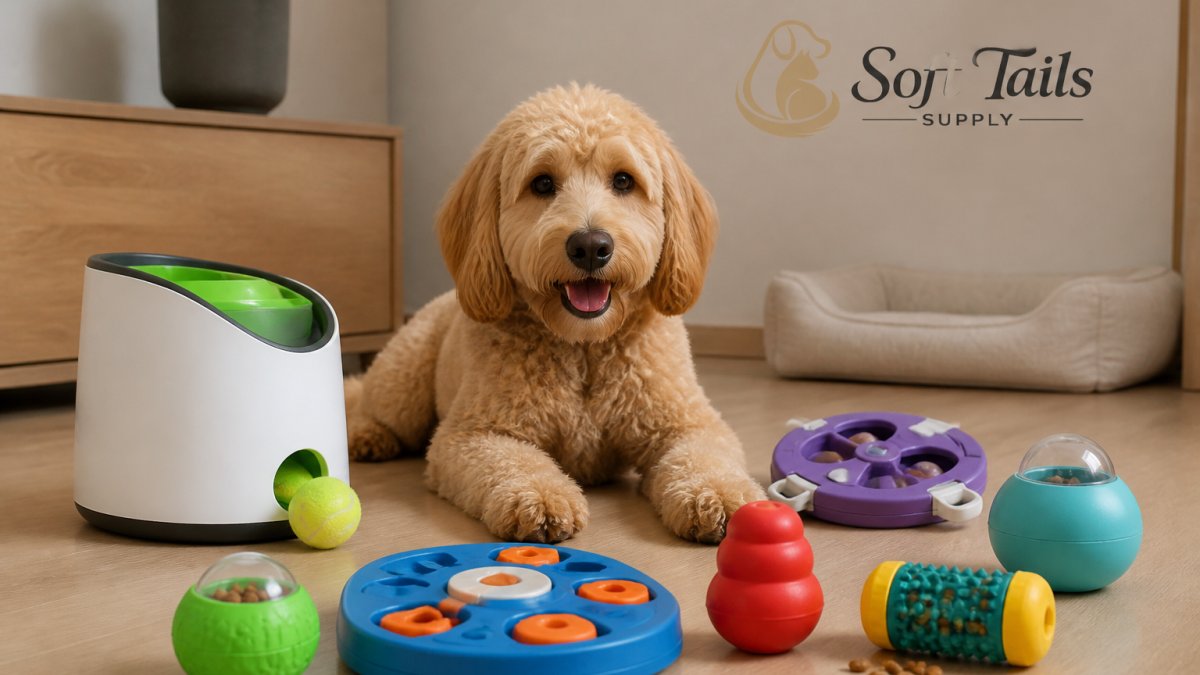
Alternative enrichment strategies can provide mental stimulation without repetitive impact. Puzzle toys, scent work, training sessions, and varied play engage your dog differently and reduce cumulative strain.

Choosing a Safe Automatic Ball Launcher
Not all automatic launchers are equally safe. The difference comes down to specific features, build quality, and how well the device matches your dog's needs.
The PetSafe Automatic Ball Launcher includes a 7-foot motion sensor, adjustable distance settings (8-30 feet), angle adjustments, and an automatic sleep mode after 15 minutes. The audible tone alert gives your dog warning before each launch. At approximately $130, it covers the essential safety bases.
The GoDogGo Fetch Machine G4 is built for durability and heavy use. It handles multiple ball sizes (1.75 to 2.6 inches) and includes an auto-stop safety switch. It lacks advanced motion sensors, so supervision is critical. The heavier design reduces tipping risk.
The iFetch Too offers rechargeable battery convenience and adjustable launch distances (10, 25, or 40 feet). It uses softer "Tuff" balls designed to be gentle on teeth. Like the GoDogGo, it lacks motion sensors, so supervision is essential.
For small dogs and puppies, the iDogmate Small Automatic Pet Dog Ball Thrower is purpose-built. It launches from a lower height and uses 1.75-inch balls, eliminating choking hazards. The internal ball cleaner maintains hygiene.
The Franklin Pet Supply Ready Set Fetch launcher includes an audible safety buzzer and adjustable angles at around $100. It lacks motion sensors, so safety depends on your supervision.
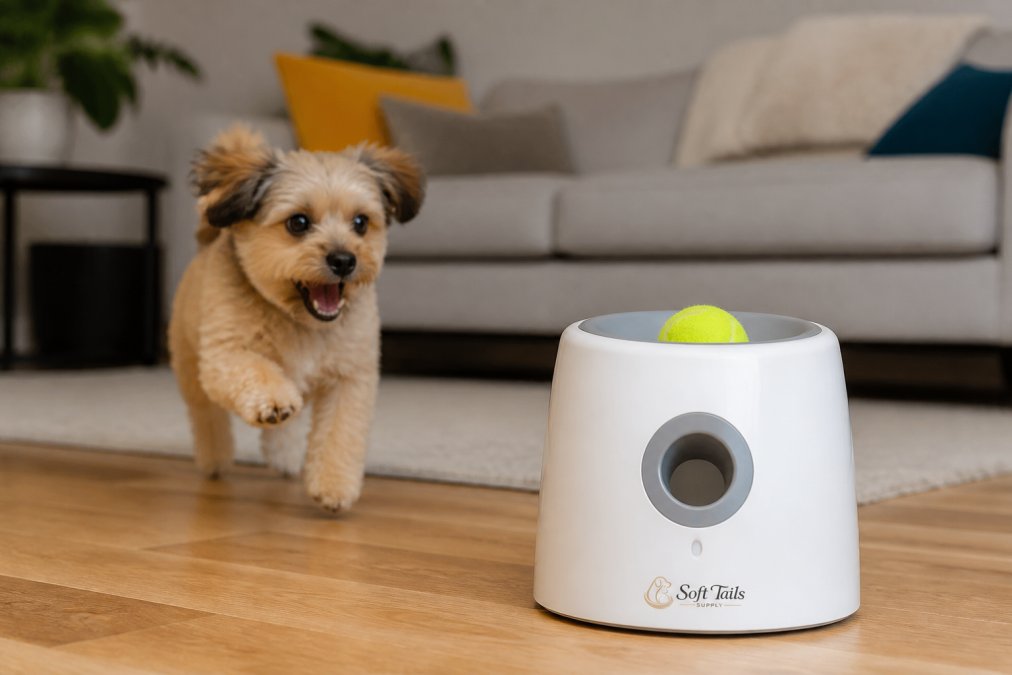
SofttailSupply's Automatic Tennis Ball Launcher at $78.99 is a practical option for owners seeking straightforward, tested equipment. The launcher includes adjustable settings for distance and angle, with fast 24-48 hour shipping and responsive customer support.
When choosing, prioritize these features in order: motion sensors, audible alerts, adjustable distance settings, and automatic rest timers. Match the launcher size and ball size to your dog's breed and age. A launcher that breaks after a few months isn't safe because you can't trust its sensors or mechanisms.
Frequently Asked Questions
Are automatic ball launchers safe for all dog breeds?
Automatic ball launchers can be safe for most breeds when used correctly, but high-impact breeds like Labs and Retrievers handle them better than small breeds or those prone to joint issues. Senior dogs, puppies under 12 months, and breeds with short muzzles (Bulldogs, Pugs) face higher injury risks from launch force and ball size. Always match the launcher's force and ball diameter to your dog's size and age. Consult your veterinarian before use if your dog has any orthopedic concerns.
What are the main choking hazards with automatic ball launchers?
Ball size is critical. Standard tennis balls (2.6 inches) can pose a choking risk for dogs with large mouths or aggressive chewers. Smaller launchers use 1.75-inch balls, better for small breeds. Always supervise play and remove the launcher if your dog shows signs of obsessive chewing. Inspect balls regularly for tears or deterioration. Some dogs develop obsessive behavior around the device itself, so limit sessions to 15-20 minutes and watch for fixation.
How can I prevent repetitive fetch injuries when using a ball launcher?
Limit play sessions to 15-20 minutes maximum, especially for high-energy breeds prone to overexertion. Use the launcher's built-in rest modes or timer features to enforce breaks. Vary the launch distance and angle to reduce repetitive strain on the same joints. Allow at least one rest day per week. Watch for signs of limping, reluctance to jump, or decreased mobility after play. High-impact repetitive launches can lead to joint stress, particularly in growing puppies and senior dogs.
What safety features should I look for in an automatic ball launcher?
Priority features include motion sensors that prevent launching when a dog is too close, audible alerts that warn before launch, and automatic sleep or rest modes after 15 minutes of continuous play. Variable speed and distance settings let you adjust intensity for your dog's size and fitness level. Water-resistant construction ensures durability. The SofttailSupply Automatic Tennis Ball Launcher at $78.99 offers reliable performance, while competitors like PetSafe ($129.99) include advanced motion detection within 7 feet.
Is supervised or unsupervised play safer with an automatic ball launcher?
Supervised play is always safer. Even with motion sensors and safety alerts, you should monitor your dog for signs of exhaustion, overheating, or behavioral changes like obsessive fixation. Unsupervised use increases risks of injury if your dog gets tangled, trips during high-speed retrieves, or plays beyond safe duration. Motion sensors cannot detect all hazards like obstacles or uneven terrain. Keep sessions to 15-20 minutes with direct supervision, and never leave the launcher running unattended.
The safest automatic ball launcher is the one you use correctly. That means supervision, appropriate session length, matching the device to your dog's needs, and stopping immediately if you notice signs of joint stress or obsessive behavior. The technology helps, but your judgment is irreplaceable. If you're uncertain whether a launcher is appropriate for your dog, talk to your veterinarian before purchasing. A dog's long-term joint health is worth the conversation.
This article was written using GrandRanker