 ultimate-guide
Elevated Pet Bowls for Digestion: Benefits and Risks
Table of Contents
- How Elevated Pet Bowls Affect Digestion
- Pros and Cons of Elevated Dog Bowls
- Bloat Prevention in Dogs: What the Evidence Shows
- How to Choose the Right Height for a Dog Bowl
- Frequently Asked Questions
Last Updated: September 3, 2026
How Elevated Pet Bowls Affect Digestion
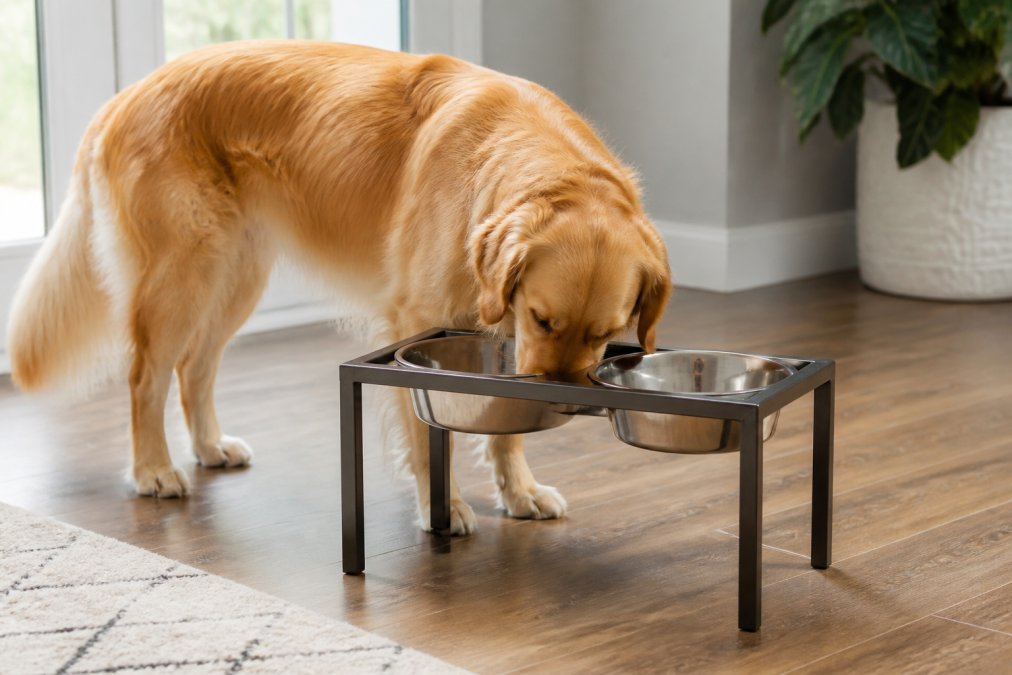
Elevated pet bowls position food at chest or shoulder height rather than ground level, altering how food travels down the esophagus and reducing air swallowed during meals. Gravity works more naturally to move kibble through the esophagus, requiring less swallowing effort (peer-reviewed research).
However, elevation alone doesn't guarantee digestive improvement. A dog that gulps food rapidly won't benefit from height alone. Pairing an elevated feeder with a slow-feeding bowl design amplifies the effect. SofttailSupply's Slow Feeder Dog Bowl combines the raised platform with internal obstacles that force deliberate eating, addressing both posture and eating speed simultaneously.

Pros and Cons of Elevated Dog Bowls
Elevated feeders offer genuine advantages for certain situations, but they're not universally beneficial for every dog.
Pros of raised bowls:
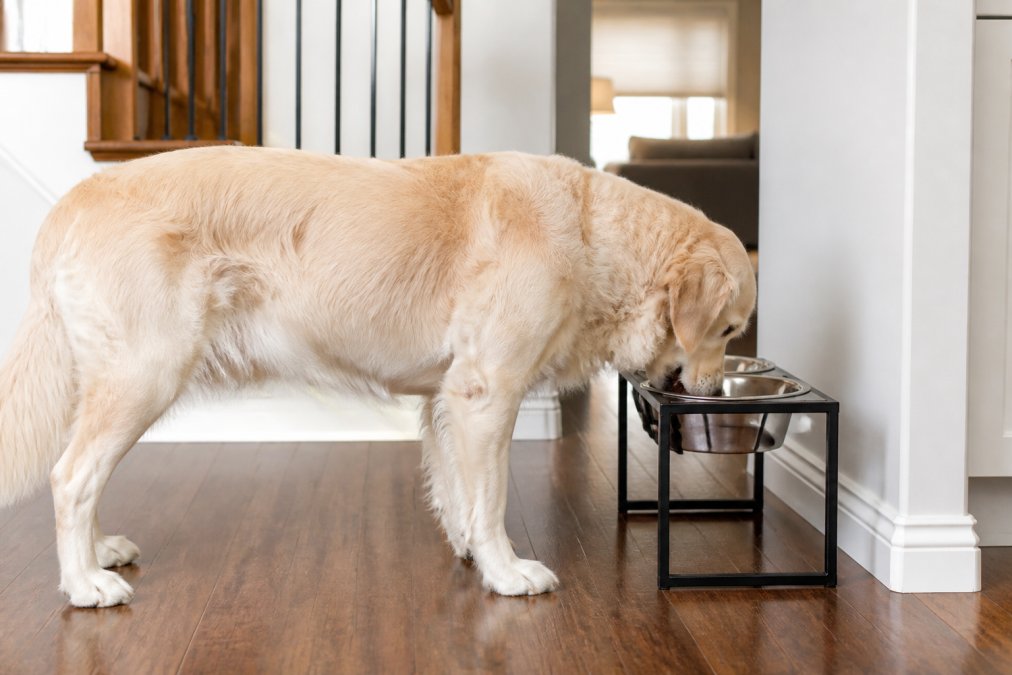
Improved neck and spine alignment reduces strain on joints, particularly valuable for senior dogs or those with arthritis (avma.org). Slower eating pace becomes more natural when food sits at chest height, giving the stomach time to signal fullness and reducing post-meal vomiting. Reduced air intake means less gas buildup in the stomach.
Cons of raised bowls:
The bloat connection remains scientifically unproven. While some veterinarians recommend elevated feeders as a bloat-prevention measure, research hasn't definitively shown that bowl height prevents gastric dilatation-volvolvulus (GDV) (peer-reviewed research). For puppies or dogs with developmental orthopedic disease, elevated bowls can place additional stress on growing joints. Some dogs find elevated bowls awkward and may eat less or show feeding reluctance.
Bloat Prevention in Dogs: What the Evidence Shows
The relationship between elevated bowls and bloat prevention is more complicated than popular pet blogs suggest. Bloat happens when the stomach fills with gas and potentially twists, with multiple contributing factors: genetics, eating speed, meal size, exercise timing, and stomach structure. Large breed dogs like Great Danes, German Shepherds, and Weimaraners have higher genetic risk regardless of feeding setup.
Veterinary consensus acknowledges that eating slowly may reduce bloat risk, but research doesn't isolate bowl height as the protective factor. A slow-feeding bowl matters more than elevation alone. The Interactive Slow Feeder Toy for Dogs from SofttailSupply addresses this by forcing dogs to work around obstacles, naturally slowing consumption regardless of bowl height.

What actually reduces bloat risk: feeding multiple smaller meals instead of one large meal, avoiding vigorous exercise immediately after eating, and keeping stress levels low during mealtimes.
How to Choose the Right Height for a Dog Bowl
The correct bowl height depends on your dog's size, age, and any existing joint or digestive issues.
Measurement guide:
Stand your dog in a natural standing position. The bowl should sit at approximately chest height or lower shoulder joint, roughly where the front leg meets the body. For most medium dogs, this means 4-8 inches of elevation off the ground. Large breed dogs benefit from 8-12 inches; small dogs may need only 2-4 inches.
Age matters significantly. Puppies under 12 months should eat from ground-level bowls in most cases, as elevated feeders can stress developing joints. Senior dogs over 8 years old typically benefit most from elevation due to increased joint discomfort during feeding.
Start with an adjustable elevated feeder if you're uncertain. Many quality options allow you to test different heights before committing to a fixed setup.
Choosing the right feeding setup requires balancing your dog's individual needs with practical reality. Elevated bowls help some dogs feel more comfortable during meals, but they're not a cure-all for digestive issues or bloat prevention. Pair any elevation with intentional feeding practices like portion control and slow-feeding designs. At SofttailSupply, we've designed our slow feeders to work with elevated platforms, giving your dog the combined benefits of proper posture and deliberate eating pace. Explore our curated collection of feeding solutions and discover which setup keeps your dog happiest and healthiest.
Frequently Asked Questions
Q: Do elevated dog bowls actually help with digestion?
A: Elevated bowls can support better swallowing efficiency and reduce neck strain during meals. When a bowl sits at the correct height, your dog's esophagus aligns more naturally, potentially improving gastrointestinal motility. However, elevation alone doesn't guarantee better digestion, food quality, eating speed, and meal size matter equally. Pairing an elevated bowl with a slow feeder design, like the Slow Feeder Dog Bowl ($14.99), creates a more comprehensive approach to digestive comfort.
Q: Can elevated pet bowls prevent bloat in dogs?
A: The relationship between bowl height and bloat (gastric dilatation-volvulus) remains debated among veterinarians. Some studies suggest elevated feeding may reduce aerophagia (swallowing air), while others find no significant bloat prevention benefit. Large breed dogs and senior pets are at higher risk regardless of feeding height. Rather than relying solely on elevation, focus on slowing food intake, using portion control, and consulting your veterinarian about your dog's specific risk factors.
Q: What are the main drawbacks of using elevated bowls?
A: Elevated bowls aren't ideal for all dogs. Some pets experience increased reflux or regurgitation with raised feeders, particularly those with megaesophagus or certain anatomical conditions. Puppies and young dogs may not benefit from elevation during growth phases. Additionally, incorrect bowl height can create musculoskeletal strain rather than relief. Always monitor your dog's comfort and digestion after switching to an elevated feeder, and discuss the change with your veterinarian if your pet has existing health concerns.
This article was written using GrandRanker