 listicle
Durable Cat Scratching Post Reviews 2026
Table of Contents
- What Makes a Durable Cat Scratching Post
- Best Cat Scratching Post for Large Cats
- Sisal vs Carpet Scratching Post: Which Material Lasts Longer
- Cat Scratching Post Maintenance Tips for Extended Longevity
Last Updated: August 16, 2026
What Makes a Durable Cat Scratching Post
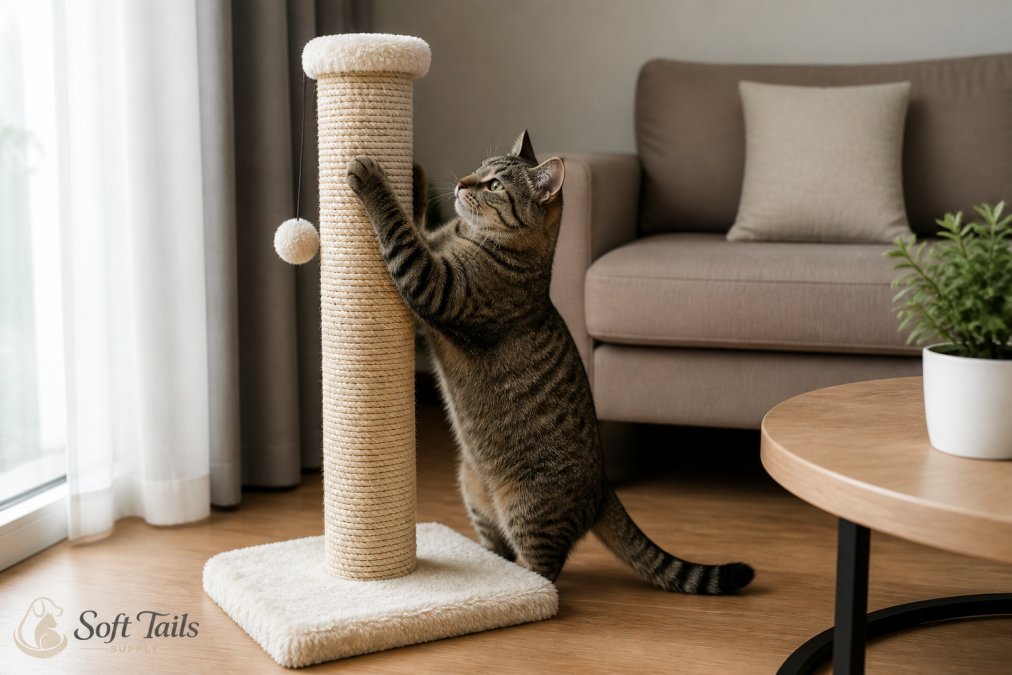
A durable cat scratching post combines sturdy construction, quality materials, and thoughtful design to withstand years of claw engagement. The foundation matters most, a heavy, wobble-free base prevents tipping during vertical stretching. Sisal rope and carpet are the primary scratching surfaces; sisal resists shredding and maintains texture after extended use, while carpet may mat or fray faster depending on weave density.
Posts between 32 and 48 inches tall accommodate full-body stretching for claw maintenance and territorial marking. A base footprint of at least 16 by 16 inches distributes weight effectively and prevents wobbling. Use non-toxic materials, avoid adhesives or finishes that off-gas or splinter. The best posts feature natural wood frames, high-quality rope wrapping, or tightly woven carpet that resists unraveling.
At SofttailSupply, we offer a carefully curated selection of high-quality essentials. Posts that hold up longest share three characteristics: reinforced seams where materials meet the frame, a stable base that doesn't shift under pressure, and scratching surfaces that don't separate from the structure. Posts with these features typically remain stable and visually intact for three to five years of daily use.
Best Cat Scratching Post for Large Cats
Large cats, Maine Coons, Norwegian Forest Cats, and breeds over 12 pounds, require reinforced construction that handles increased weight and force. Standard posts often fail because their bases are too narrow or materials too thin. The best scratching posts for large cats feature heavy-duty wood frames, extra-thick sisal rope (minimum half-inch diameter), and base weights exceeding 25 pounds.
Look for posts with multiple scratching surfaces at different angles. Vertical sisal sections satisfy stretching instincts, while angled or horizontal carpet areas provide alternative positions. Platforms or perches at mid-height and top levels offer resting spots and reduce boredom. A post combining scratching with lounging functionality gets more use and justifies the investment.
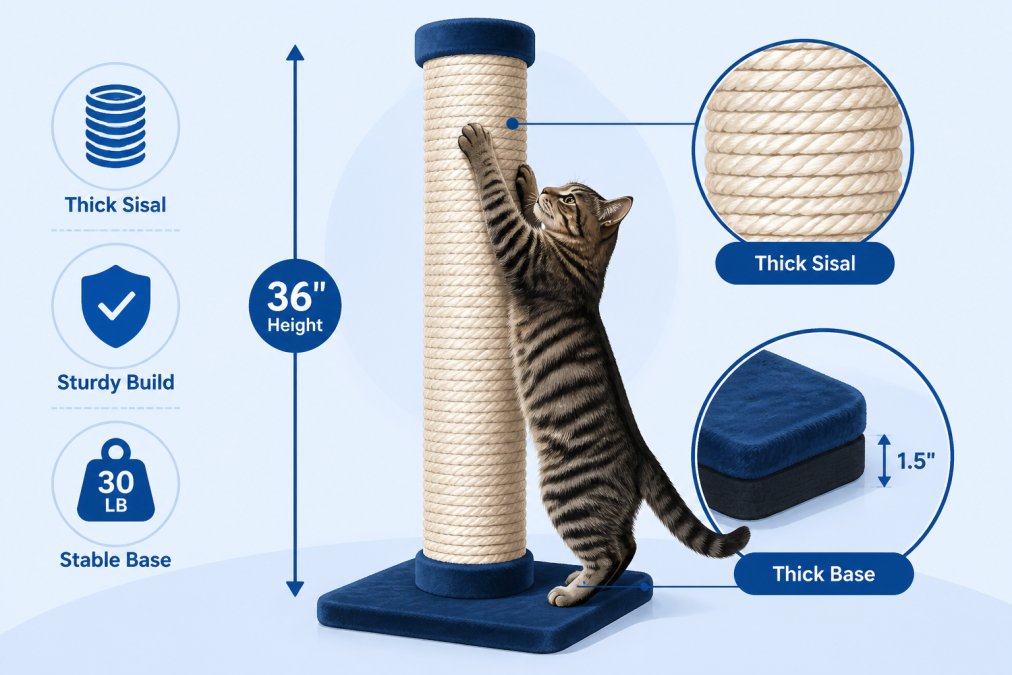
Stability is critical with heavier cats. Test the base by pushing firmly from multiple angles before purchasing, the post should not sway or tip. Seams where rope attaches to the frame must be reinforced; large cats apply concentrated force at these joints. Posts designed for large cats often feature double-stitched seams and rope secured with both adhesive and mechanical fastening.
Sisal vs Carpet Scratching Post: Which Material Lasts Longer
Sisal rope outlasts carpet in most household scenarios, especially with multiple cats or aggressive scratchers. Sisal fibers resist shredding and maintain texture after months of claw engagement. Carpet, particularly synthetic varieties, matts down and frays at edges where cats dig repeatedly. Once carpet unravels, it deteriorates quickly and becomes unsafe.
High-quality sisal resists odor absorption better than carpet, which retains urine and becomes difficult to clean thoroughly. This matters for multi-cat households where territorial marking occurs frequently. Sisal's open weave allows better airflow and drying, reducing bacterial growth and smell.
A sisal post used daily typically remains functional for three to five years. Carpet posts often show significant wear within 18 to 24 months. Replacement costs favor sisal, you can often rewind sisal rope on existing posts, extending their life indefinitely. Carpet posts usually require full replacement once the covering deteriorates.
Sisal does have limitations. The rope can become loose if not properly secured, and some cats initially prefer carpet's softer texture. Introducing a sisal post alongside a carpet alternative helps cats acclimate. Once they accept sisal, they typically prefer it for the superior scratching sensation.
Cat Scratching Post Maintenance Tips for Extended Longevity
Regular maintenance extends post lifespan significantly. Vacuum loose fibers weekly to prevent buildup and keep the surface clean. Use a handheld vacuum or brush attachment to reach tight spaces where rope meets the frame.
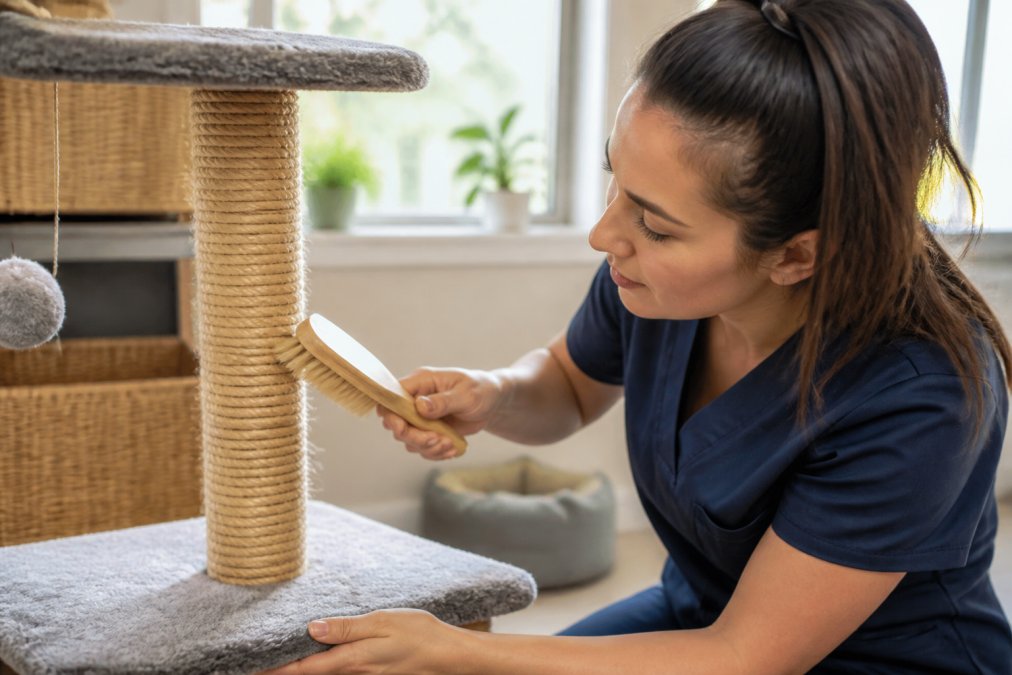
Inspect seams and joints monthly for signs of separation. If rope begins pulling away, reattach it immediately using pet-safe adhesive rated for wood-to-fiber bonding. Tighten any bolts or fasteners connecting the base to vertical sections, as vibration from daily use can loosen hardware.
Address odor proactively. For sisal posts, occasional light misting with white vinegar and water neutralizes urine odor without damaging fibers. For carpet posts, enzyme-based pet odor eliminators work better than vinegar. Never use bleach or harsh chemicals, as they damage materials and pose respiratory risks.
Rotate or replace worn sections when possible. Posts with replaceable rope can have old wrapping removed and new sisal applied, extending the post's useful life by years. Position the post away from high-traffic areas and direct sunlight, as UV exposure degrades fibers. Ensure the base sits on a hard floor surface that allows easy cleaning underneath.
Choosing a durable scratching post requires balancing material quality, structural integrity, and your cat's preferences. Large cats need reinforced posts with heavy bases and thick sisal rope. Sisal outlasts carpet across nearly all use scenarios, making it the better long-term investment. Regular maintenance extends any post's functional life by years. When you're ready to invest in a scratching post that handles years of daily use, explore SofttailSupply's curated selection of tested, high-quality options designed for durability and cat enrichment. Our fast shipping and responsive customer support make finding the right post for your home simple and hassle-free.
Frequently Asked Questions
What is the most durable cat scratching post material?
Sisal rope and natural jute fiber offer superior shredding resistance and longevity compared to carpet. Sisal withstands heavy daily use without fraying, while carpet-covered posts deteriorate faster in multi-cat households. The best durable cat scratching post combines a sturdy wood base with tightly woven sisal or jute to resist claw damage and maintain structural integrity for years.
How do I choose a scratching post that won't tip over?
Look for a wide, heavy base footprint relative to the post's height. A wobble-free design requires at least 12-15 inches of base diameter for posts over 30 inches tall. Test stability by applying downward pressure at the top. Heavy-duty construction with non-toxic materials and reinforced joints prevents tipping when cats jump or claw aggressively.
Is sisal or carpet better for cat scratching posts?
Sisal rope outperforms carpet for durability and claw maintenance. Sisal's natural texture encourages proper scratching behavior and maintains its weave longer under repeated use. Carpet fibers shred easily and become matted, requiring frequent replacement. For a durable cat scratching post that lasts years, sisal is the superior choice, especially in multi-cat households.
How often should I replace or repair a scratching post?
A well-maintained, durable scratching post lasts 2-3 years with regular use. Inspect monthly for loose sisal wrapping, splintered wood, or structural damage. Minor repairs like re-wrapping sisal rope extend longevity significantly. Replace the post when the base becomes unstable, the scratching surface is completely worn, or cats avoid it due to deterioration.
What height should a scratching post be for proper vertical stretching?
Posts should be at least 30-36 inches tall to allow full body extension and vertical stretching. Large cats require taller posts (36-48 inches) to stretch completely without their head touching the top. Proper height encourages natural scratching behavior, supports cat ergonomics, and promotes healthy claw maintenance.
This article was written using GrandRanker