 listicle
Best Pet Products for Picky Cats
Table of Contents
- Best Pet Products for Picky Cats: Quick Comparison
- Best Cat Bowls for Whisker Fatigue and Slow Feeding
- Cat Feeding Enrichment Toys That Stimulate Appetite
- How to Transition Cat Food and Support Picky Eaters
Last Updated: August 20, 2026
Best Pet Products for Picky Cats: Quick Comparison
Picky eaters signal that something about mealtime isn't working, whisker fatigue from narrow bowls, lack of palatability, or insufficient sensory stimulation. At SofttailSupply, we've found the solution rarely involves endless brand switching. Instead, address the root cause: the feeding experience itself.
The best pet products for picky cats fall into three categories: bowls designed to reduce discomfort, enrichment toys that stimulate appetite through play, and transition tools that make dietary changes smoother.
| Product Category | Best Option | Price | Key Benefit |
|---|---|---|---|
| Slow Feeder Bowls | Slow Feeder Pet Bowl | $17.99 | Reduces bloat, improves digestion, slows eating |
| Enrichment Toys | Flapping Bird Cat Toy | $26.99 | Triggers hunting instinct, stimulates appetite |
| Feeding Dishes | Dog Slow Feeder Toy Dish | $33.99 | Brain-stimulating challenge, doubles as molar toy |
| Environmental Setup | Cat Sucker Teaser Toy | $15.99 | Solo entertainment, keeps cats engaged |
Best Cat Bowls for Whisker Fatigue and Slow Feeding
Whisker fatigue is real. When whiskers touch narrow bowl sides repeatedly, cats experience sensory overload and pull away, not from bad food, but from discomfort.

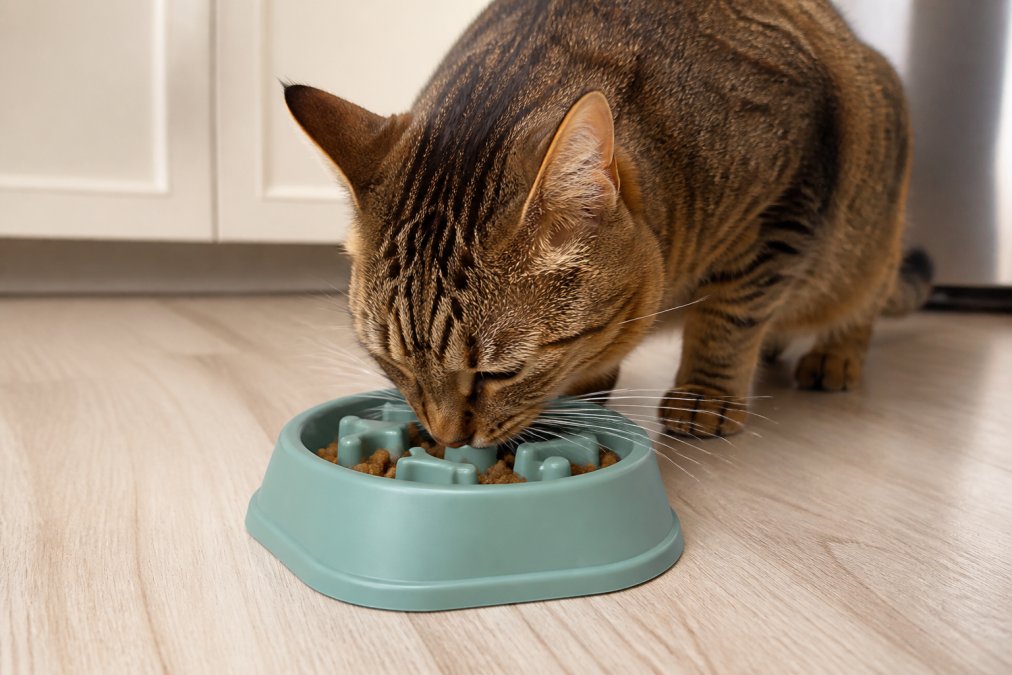
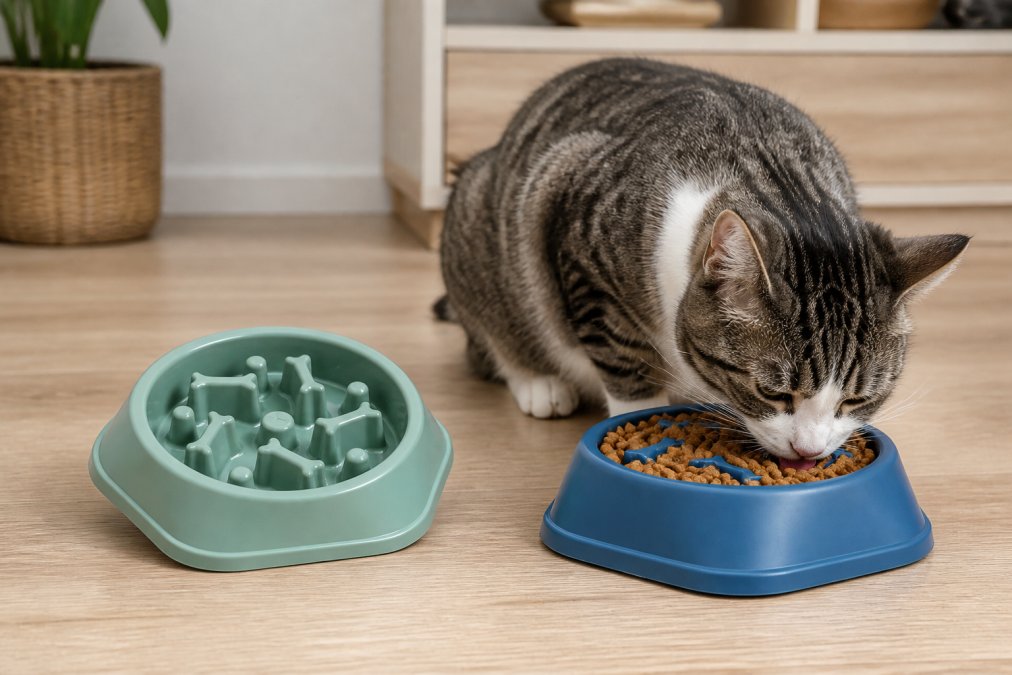
The Slow Feeder Pet Bowl solves two problems at once. Its wide, shallow design keeps whiskers away from edges, eliminating discomfort. The maze-like pattern forces your cat to work for each bite, slowing eating and aiding digestion. Cats who bolt food often experience bloating and vomiting; the maze pattern prevents this by creating natural pauses.
Slow feeding mimics natural feline hunting behavior. In the wild, cats consume prey gradually, allowing efficient digestion. A bowl that replicates this rhythm transforms picky eaters into engaged ones. At $17.99, dishwasher safe, and available in multiple sizes, many owners report their cats returning to the bowl more frequently once whisker fatigue is eliminated.
Cat Feeding Enrichment Toys That Stimulate Appetite
A bored cat won't eat. A stimulated cat will hunt, pounce, and then eat with genuine appetite. Enrichment toys trigger the predatory sequence that makes eating feel rewarding.
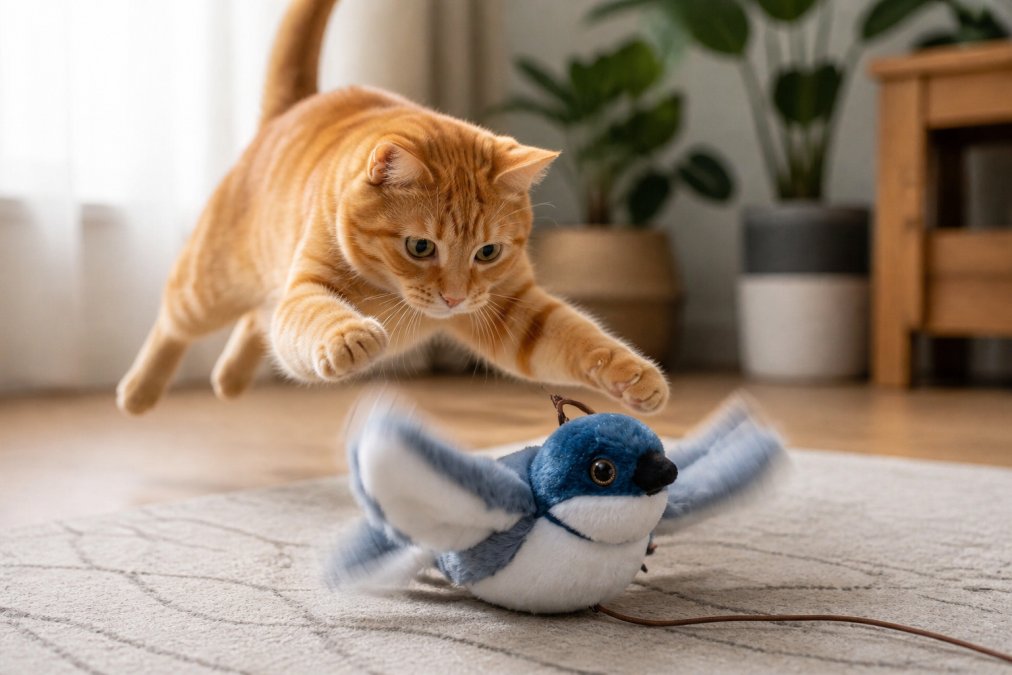
The Flapping Bird Cat Toy uses lifelike wing movements to mimic real prey. Unlike static toys, the flapping motion triggers hunting instincts at a neurological level. The toy is USB rechargeable, quiet, and made from pet-safe materials. At $26.99, it typically holds attention for 15-20 minutes per session.

Running it for 10 minutes before mealtime creates a predictable routine that picky eaters respond to immediately. The play session exhausts your cat mentally and physically, making them genuinely hungry while activating appetite hormones.
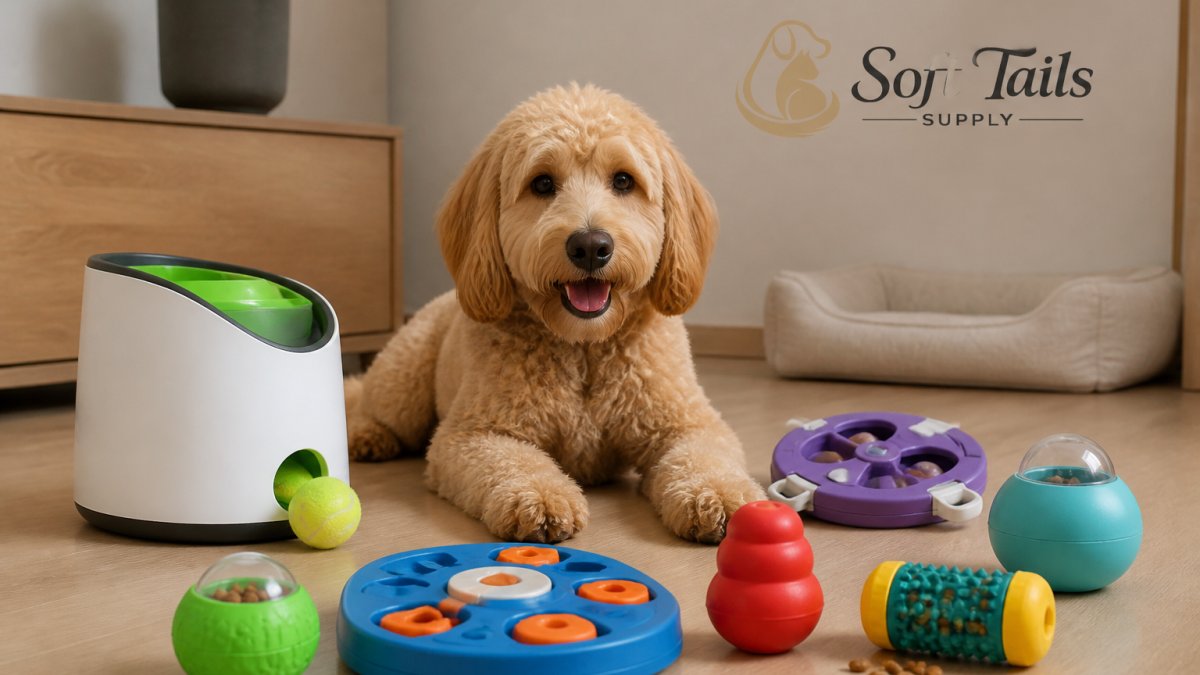
For solo play, the Cat Sucker Teaser Toy ($15.99) attaches to flat surfaces with a powerful suction cup, requiring no batteries. It provides hours of independent entertainment and keeps cats mentally engaged throughout the day. The Smart Rolling Pet Ball ($14.99) uses sensor technology to move unpredictably, mimicking real prey behavior and working well in multi-cat households.
How to Transition Cat Food and Support Picky Eaters
Transitioning picky eaters requires patience. Most failures happen because owners switch too quickly, triggering food aversion that can last weeks.
Start by mixing 75% old food with 25% new food for 2-3 days. If your cat eats normally, gradually increase the new food ratio. If they refuse the bowl, stay at this ratio for another 2-3 days before advancing.
Environmental factors matter enormously. Feed your cat in a calm, quiet space away from stress triggers. A stressed cat won't eat, regardless of food quality. Warming food increases palatability significantly, microwave wet food for 10-15 seconds or add warm water to dry kibble to create gravy. Cold food has minimal scent, which is critical for cats with reduced appetite.
For cats with sensitive stomachs, transitions should be even slower. Digestive upset can reinforce food aversion, making future transitions harder. If your cat shows vomiting, diarrhea, or constipation, revert to the previous ratio and extend the timeline.
SofttailSupply's slow feeder products work especially well during transitions because they reduce eating stress. A physically comfortable cat is more likely to accept new food. Track eating patterns, picky eaters often need 2-3 weeks to fully accept new food, even after gradual mixing is complete.
Picky eating in cats rarely requires endless food switching. It signals that the feeding experience needs adjustment. Addressing whisker fatigue, providing appetite stimulation through enrichment, and managing transitions carefully resolves most cases. Start with a quality slow feeder bowl, add enrichment toys to your daily routine, and approach food transitions gradually. Most cats respond within 2-3 weeks.
Get started with SofttailSupply's tested feeding solutions. Our Slow Feeder Pet Bowl ($17.99), Flapping Bird Cat Toy ($26.99), and enrichment collection are designed specifically to address feeding challenges. With fast 24-48 hour shipping and responsive customer support, you'll have the right tools when you need them.
Frequently Asked Questions
What can I feed my extremely picky cat?
Picky cats often respond better to protein-rich foods with strong palatability. Start with wet food options, which have higher moisture content and more aromatic appeal than dry kibble. Consider adding meal toppers or warming food to enhance sensory appeal. The Slow Feeder Pet Bowl ($17.99) can also help by turning mealtime into an engaging challenge that stimulates appetite. If your cat continues refusing food, consult your veterinarian to rule out medical issues or sensitive stomach conditions.
How can I stimulate my cat's appetite with cat feeding enrichment toys?
Cat feeding enrichment toys transform mealtime into interactive play, which naturally stimulates appetite. Products like the Flapping Bird Cat Toy ($26.99) trigger hunting instincts through lifelike movement, making eating feel like a rewarding activity. The Smart Rolling Pet Ball ($14.99) mimics unpredictable prey movement, engaging your cat's natural predatory behavior. These toys work best when rotated regularly to maintain novelty and prevent appetite loss from boredom.
Are there specific bowls that help picky cats eat better?
Yes. Slow feeder bowls with maze-like patterns significantly improve feeding behavior in picky cats. The Slow Feeder Pet Bowl ($17.99) slows eating by up to 10 times, reduces bloat, and improves digestion while keeping cats mentally engaged. This design also addresses whisker fatigue, which occurs when cat whiskers touch bowl sides, causing discomfort. Multiple sizes accommodate different cats, making it suitable for most households with picky eaters.
What's the best way to transition my picky cat to new food?
Gradual transitions work best for picky cats. Over 7-10 days, slowly increase the ratio of new food to old food, starting at 25% new and 75% old. Monitor digestive health closely, as sensitive stomachs may react poorly to rapid changes. Warming new food slightly increases palatability and sensory appeal. If your cat resists, try mixing in meal toppers or gravy-based additions. Keep portions consistent and maintain a regular feeding schedule to support behavioral adjustment during the transition.
Why should I choose SofttailSupply products over cheaper alternatives?
SofttailSupply products are tested for real-world durability and pet safety. Our Slow Feeder Pet Bowl and enrichment toys are designed specifically to address picky eating behaviors, not just generic entertainment. We offer 24-48 hour shipping, secure payment processing, and responsive customer support, so if a product doesn't work, returns are hassle-free. Customer feedback consistently highlights quality, fair pricing, and reliability, making these products a sound investment for cats with genuine feeding challenges.
This article was written using GrandRanker