 how-to
Why Do Cats Destroy Expensive Beds? Causes & Fixes
Table of Contents
- Why Cats Destroy Expensive Beds: Instinct, Not Spite
- How to Stop Cats Scratching Furniture and Beds
- Why Cats Scratch at Night and How Cat Bed Material Matters
- Frequently Asked Questions
Last Updated: October 6, 2026
Why Cats Destroy Expensive Beds: Instinct, Not Spite
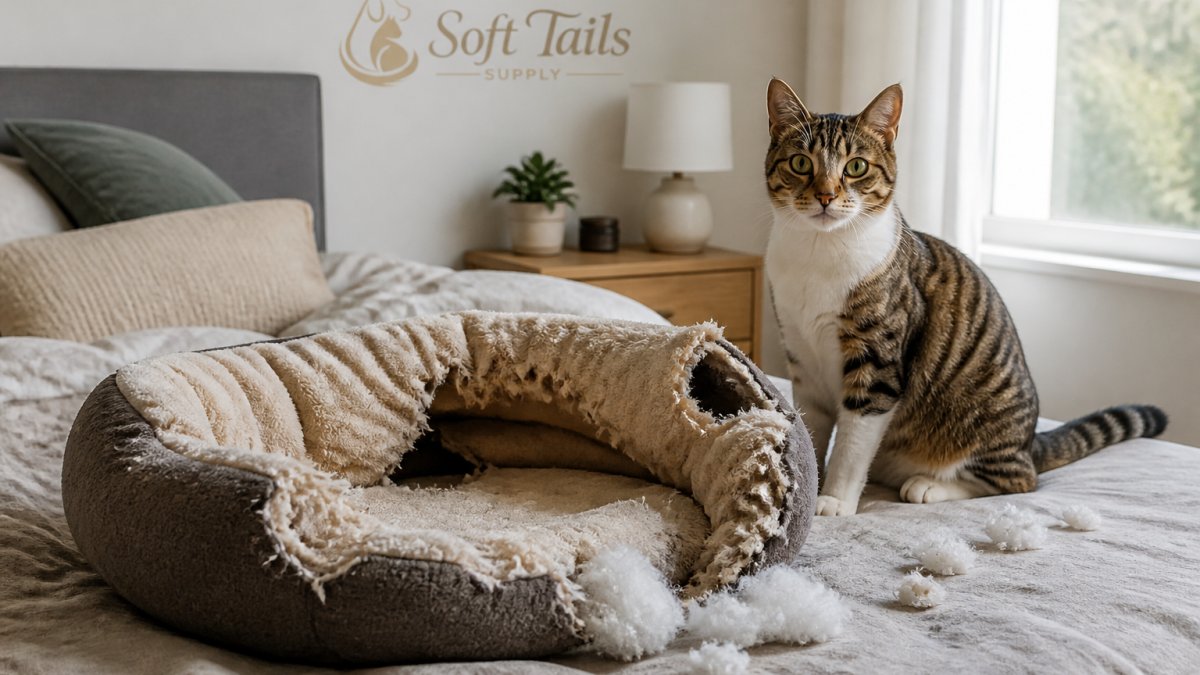
Wondering why do cats destroy expensive beds? Scratching is instinct, not revenge: cats scratch to mark territory, shed claw layers, and stretch. A pricey upholstered bed offers a tall, stable, textured surface, a perfect target.
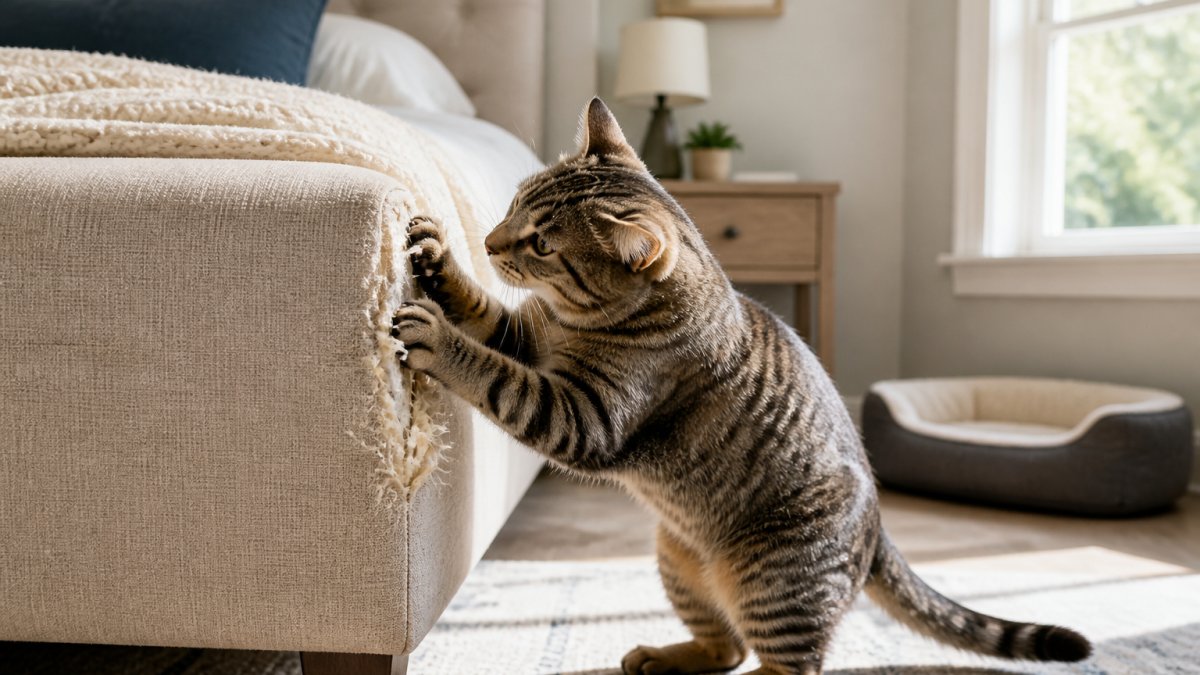
Cats do not scratch to ruin your things. They scratch because the behavior keeps them healthy and secure. The Cornell University College of Veterinary Medicine cat behavior resources notes that scratching is normal and serves several needs at once.
Scratching marks territory with paw-gland scent, sheds outer claw layers, stretches the back and shoulders, and releases stress.
Expensive beds often use tight woven fabric, like linen or chenille, which gives claws a satisfying grip, plus the bed's height and stability make it more appealing than a cheap mat.
How to Stop Cats Scratching Furniture and Beds
You stop the damage by giving your cat a better option, not by punishing it. Place a sturdy scratching post next to the bed and reward your cat for using it.
A simple plan: move the bed away from the wall; set a tall, stable scratching post beside it; rub the post with catnip; praise or treat your cat when it uses the post; and cover the bed corner with a loose throw until the habit shifts.
Positive reinforcement beats every deterrent; yelling or spraying water only adds stress, which can worsen scratching.
Why Cats Scratch at Night and How Cat Bed Material Matters
Nighttime scratching is common because cats are most active at dawn and dusk. If your cat scratches at 3 a.m., it is likely bored or full of energy; more play before bed and claw-friendly fabric can cut the habit.
Warm & Cozy Plush Cat Bed – A Soft Little Retreat →
Cat bed material matters. Tight, looped weaves snag easily and invite more scratching, while softer, denser fabrics hold up better and feel less rewarding to claws.

When choosing a bed, look for dense, short-pile fabric over loose weaves, a stable non-slip base, and a shape your cat can curl into.
Our Warm & Cozy Plush Cat Bed uses a plush, high-pile lining cats love to knead, plus a non-slip base and machine washable cover.
For burrowers, the Banana-Shaped Pet Bed offers a den-like feel many cats claim as their own.

If your cat suddenly starts scratching everything after years of calm behavior, see your vet; a sudden change can point to stress, pain, or a health issue. SofttailSupply offers fast 24-48 hour shipping and responsive support, so you can set up a better scratching and sleeping setup without the wait.
Frequently Asked Questions
Why does my cat scratch the bed at night?
Cats are crepuscular, meaning they are most active at dawn and dusk. Nighttime scratching often signals pent-up energy or boredom. A 10-minute interactive play session before bed can reduce nighttime scratching. Also ensure your cat has a sturdy scratching post near the bed, as cats often scratch after waking or before settling in for sleep.
How can I stop my cat from scratching its bed?
Redirect, don't punish. Place a tall, stable scratching post right next to the bed. Reward your cat with treats or praise when it uses the post. Cover the bed's scratched area with a temporary deterrent like double-sided tape. Trim claws every 10-14 days. Never yell or spray water, as this increases stress and can worsen the behavior.
Is my cat scratching its bed to mark territory?
Yes, often. Cats have scent glands in their paw pads. Scratching leaves both visual marks and pheromones that signal territory. This is especially common in multi-cat homes or when a new person or pet enters the household. Providing multiple scratching surfaces in key areas can reduce territorial scratching on beds.
A calm, well-rested cat is the goal, and it starts with the right setup. SofttailSupply carries cozy, durable beds like the Warm & Cozy Plush Cat Bed and the Cozy Nest Semi-Enclosed Pet Bed, both built for comfort and easy care. Get started with SofttailSupply and give your cat a bed it would rather sleep in than shred.